Energy Management
In the realm of energy management, efficiency is the cornerstone for organizations aiming to achieve sustainability and operational prowess. With the rising importance of environmental and economic sustainability, effective energy management has become crucial for reducing operational costs and minimizing ecological impact. Recent studies underscore the significance of adopting strategic energy management practices to unlock substantial savings and enhance resource conservation (Smith, 2021). This blog delves into the essential best practices in energy management that can lead organizations towards the pinnacle of efficiency.
Energy Management Insights: Decoding Consumption Patterns for Efficiency
Before an entity can manage its energy use effectively, it needs to understand its consumption patterns. Utilizing energy audit tools and energy management software, businesses can gain insights into their energy usage and identify areas of waste (Johnson & Associates, 2022). Tracking energy consumption over time allows for the development of strategies tailored to specific energy use profiles.
Implementing Energy-Efficient Technologies
Adopting energy-efficient technologies is one of the most direct steps towards better energy management. LED lighting, high-efficiency HVAC systems, and Energy Star-rated appliances are just the beginning (GreenTech Solutions Group, 2023). Innovations in energy-efficient manufacturing processes and building materials are constantly emerging, offering new opportunities to reduce energy consumption.
Smart Energy Practices
Energy-saving does not always require significant capital investments. Simple practices such as optimizing thermostat settings, encouraging employees to power down equipment when not in use, and regular maintenance of energy systems can lead to substantial efficiency gains (EnergySage, 2023).

Subheading: Renewable Energy Integration
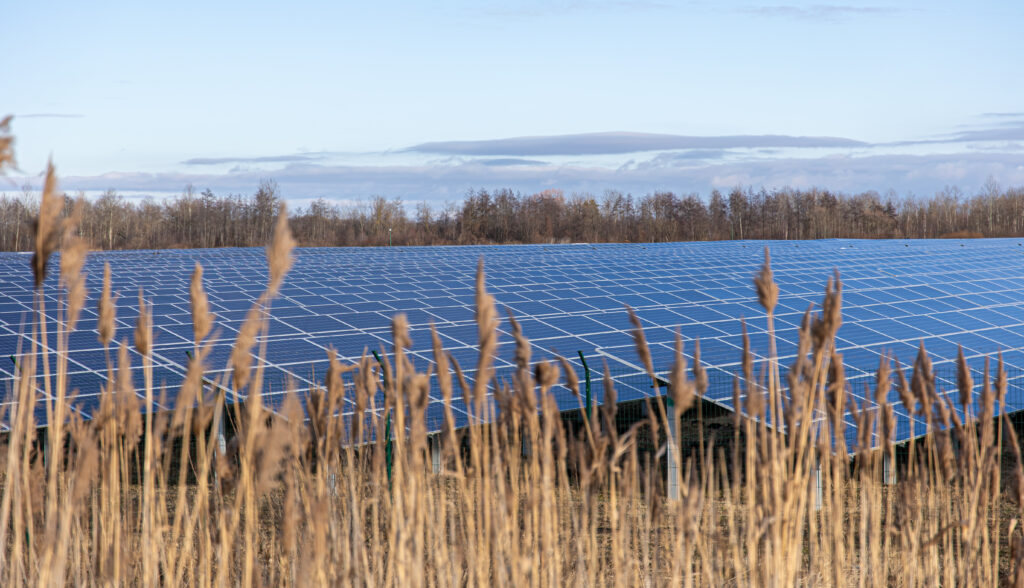
Incorporating renewable energy sources like solar, wind, and biomass into an organization’s energy mix reduces reliance on non-renewable resources and enhances sustainability. Government incentives and decreasing costs of renewable installations make this an increasingly viable option for many (Renewable Energy Hub, 2023).
Energy Management Systems (EMS)
Energy Management Systems are crucial for real-time monitoring and control of the energy consumption of a building or organization. An EMS can automate energy-saving measures, leading to more consistent energy usage and identifying inefficiencies in real time (Automation & Energy Solutions, 2023).
Investing in Energy Training and Culture
Creating an energy-conscious culture within an organization is key. Investing in employee training ensures that all team members are aware of energy-saving techniques and the importance of energy efficiency. A well-informed staff can be the most valuable asset in an organization’s energy management strategy (Institute for Sustainable Energy, 2023).

Energy Management Effectiveness: The Importance of Regular Energy Audits
Regular energy audits are essential to assess the effectiveness of energy management strategies. These audits help to identify further areas for improvement and ensure that energy-saving measures are producing the expected outcomes (Energy Audit Authority, 2022).
Energy efficiency is not just about reducing costs or complying with regulations; it’s about taking proactive steps towards a more sustainable and responsible way of operating. The best practices in energy management require a combination of adopting new technologies, implementing smart practices, utilizing renewable energy, leveraging energy management systems, investing in training, and conducting regular energy audits. Organizations that embrace these practices position themselves as leaders in sustainability while setting a benchmark for operational excellence.
You may also be interested in: