E-waste management: closing the loop in electronic products
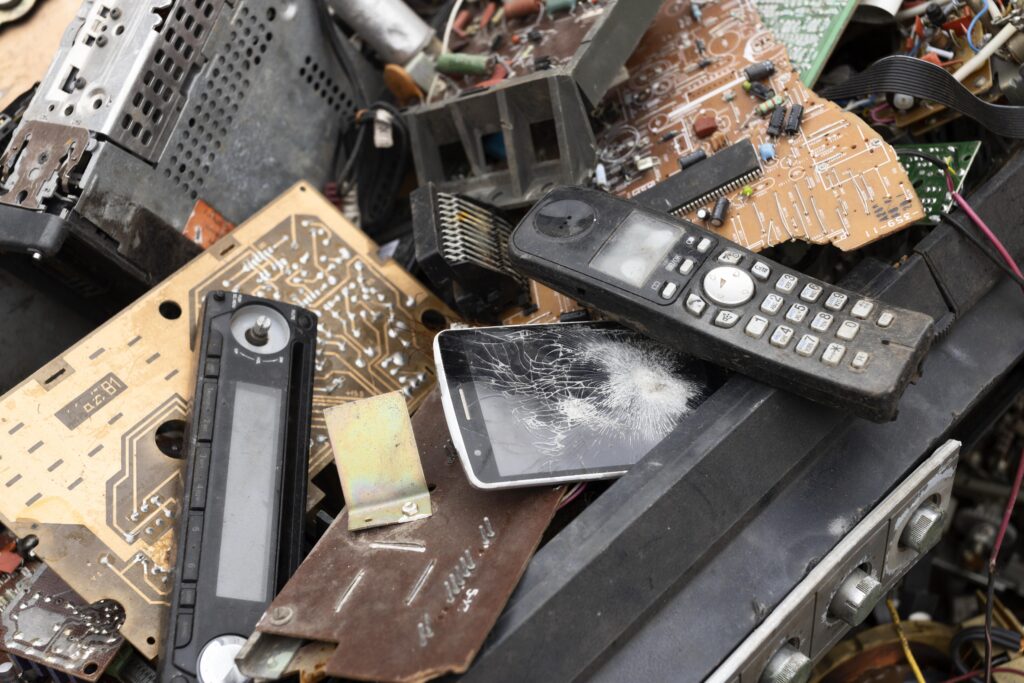
Electronic devices have become an essential part of everyday life, shaping how we communicate, work, and consume information. From smartphones and laptops to household appliances and smart technologies, the pace of innovation continues to accelerate. However, this rapid turnover has created a growing challenge that often remains out of sight. Electronic waste, or e-waste, is now one of the fastest-growing waste streams in the world, driven by short product lifecycles, limited repairability, and increasing consumption.
As awareness of environmental impact grows, the need to rethink how electronic products are designed, used, and managed has become more urgent. E-waste management offers a pathway toward closing the loop by recovering valuable materials, extending product lifespans, and reducing the harmful effects of improper disposal. Rather than treating electronic waste as an inevitable byproduct, it can be seen as a critical resource within a circular economy.
Understanding e-waste management
E-waste management refers to the collection, processing, and recovery of discarded electronic devices in a way that maximizes resource efficiency while minimizing environmental and health risks. Unlike conventional waste streams, electronic products contain a complex mix of materials, including valuable metals such as gold, copper, and rare earth elements, alongside hazardous substances that require careful handling.
When managed effectively, e-waste systems can recover these materials and reintegrate them into production cycles. As a result, the demand for virgin resource extraction is reduced, and the environmental footprint of electronic manufacturing decreases. At the same time, proper treatment prevents toxic substances from contaminating soil, water, and air.
The hidden value in electronic waste
Many discarded devices still contain significant economic value. Even when products are no longer functional, their components and materials can often be reused, refurbished, or recycled. Recovering these resources not only reduces environmental impact but also creates new economic opportunities within recycling and remanufacturing industries.
In addition, retaining materials within the system helps mitigate supply risks associated with critical minerals, which are often sourced from geographically concentrated regions. This makes circular approaches to electronics increasingly important from both environmental and strategic perspectives.
Environmental and social risks
Despite its potential value, poorly managed e-waste poses serious risks. Informal recycling practices, which are common in many parts of the world, often involve unsafe methods that expose workers and communities to toxic substances. These practices can lead to long-term health issues while causing significant environmental damage.
For this reason, establishing safe, regulated, and transparent e-waste management systems is essential. Ensuring proper collection, treatment, and recycling not only protects ecosystems but also supports fair and safe working conditions.
Designing electronics for circularity
Extending product lifecycles
One of the most effective ways to reduce e-waste is to extend the lifespan of electronic devices. Designing products that are durable, repairable, and upgradable allows users to keep them in use for longer periods. As a result, fewer devices are discarded prematurely, and overall waste generation decreases.
Manufacturers play a key role in this transition by providing access to spare parts, repair information, and software updates that support long-term functionality. When products are designed with longevity in mind, sustainability becomes embedded in their lifecycle.
Enabling recycling and material recovery
Design decisions also influence how easily products can be disassembled and recycled. Simplifying material combinations, avoiding hazardous substances, and enabling component separation improve recovery rates and reduce processing costs. Consequently, more materials can be successfully reintegrated into new products.
This approach requires collaboration across the value chain, ensuring that design, manufacturing, and recycling processes are aligned with circular principles.
The role of reverse systems and collection networks
Effective e-waste management depends on robust collection and reverse logistics systems. Without efficient ways to bring discarded products back into the system, valuable materials are lost, and environmental risks increase.
Accessible collection points, take-back programs, and consumer awareness all contribute to higher recovery rates. When combined with advanced sorting and processing technologies, these systems enable a more efficient and scalable circular flow of electronic materials.
Policy, responsibility, and global collaboration
Governments and regulatory frameworks play a crucial role in shaping e-waste management practices. Policies such as extended producer responsibility require manufacturers to take accountability for the entire lifecycle of their products, including end-of-life management.
At the same time, global collaboration is essential, as electronic supply chains and waste flows often cross borders. Coordinated efforts can help standardize practices, improve transparency, and ensure that e-waste is managed safely and responsibly worldwide.
The future of electronic circularity
As digitalization continues to expand, the volume of electronic products will only increase. This makes effective e-waste management not just an environmental priority, but a necessity for sustainable development. Advances in recycling technologies, circular design, and data-driven systems are creating new opportunities to recover value and reduce impact.
Ultimately, closing the loop in electronic products requires a shift in mindset. Devices should no longer be seen as disposable items, but as valuable systems with multiple life cycles. By aligning design, consumption, and recovery strategies, it is possible to build an electronics sector that supports both innovation and sustainability.
E-waste management represents a critical step toward a circular economy for electronic products. By recovering materials, extending product lifespans, and ensuring safe disposal, it is possible to reduce environmental harm while preserving valuable resources. In a world increasingly dependent on technology, closing the loop is not just an opportunity, but a responsibility that will shape the future of sustainable innovation.