As climate change intensifies, energy systems around the world are facing increasing pressure from extreme weather events, rising temperatures, and growing electricity demand. Traditional centralized grids, while effective on a large scale, are often vulnerable to disruptions that can leave entire communities without power. In this context, renewable energy microgrids are emerging as a resilient and sustainable alternative.
Microgrids are localized energy systems capable of generating, storing, and distributing electricity independently or alongside the main grid. By combining renewable energy sources such as solar and wind with energy storage technologies, these systems provide communities with greater flexibility, reliability, and energy security.
Understanding renewable energy microgrids
Renewable energy microgrids operate on a smaller scale than traditional power networks. They connect local energy generation, storage, and consumption within a defined area, allowing electricity to be managed closer to where it is used.
Unlike centralized systems, microgrids can continue operating even if the main grid fails. As a result, they are particularly valuable in areas exposed to climate-related disruptions or unstable energy infrastructure.
Local renewable generation
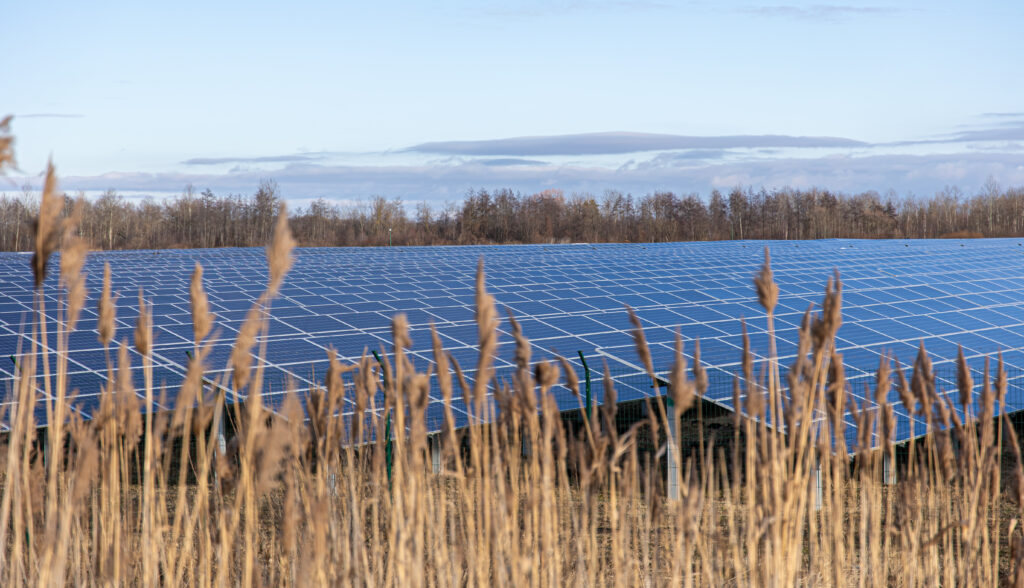
Solar panels, wind turbines, and battery storage systems are commonly integrated into renewable microgrids. By generating electricity locally, communities reduce transmission losses while increasing efficiency and sustainability.
In addition, local energy production decreases dependence on fossil fuels and strengthens long-term energy resilience.
Climate resilience and energy security
Extreme weather events such as storms, heatwaves, and wildfires are becoming more frequent and severe. These conditions place enormous stress on centralized energy infrastructure, increasing the risk of outages and service interruptions.
Strengthening community resilience
Microgrids improve resilience by decentralizing energy generation. If one part of the system is affected, localized networks can continue supplying electricity to essential services, homes, and businesses. This flexibility helps communities recover more quickly during emergencies.
Supporting a cleaner energy transition
Because microgrids often rely on renewable energy sources, they also contribute to reducing greenhouse gas emissions. At the same time, integrating storage systems allows excess renewable energy to be used when generation levels fluctuate.
Innovation and future potential
Advances in smart grids, digital monitoring, and battery technologies are accelerating the adoption of renewable energy microgrids. These innovations improve efficiency while enabling real-time management of local energy systems.
As renewable technologies become more affordable, microgrids are expected to play an increasingly important role in creating sustainable and climate-resilient communities worldwide.
Conclusion
Renewable energy microgrids represent a flexible and resilient approach to energy generation in a changing climate. By combining local renewable power with storage and smart management systems, they strengthen energy security while supporting sustainability goals. In an era of growing climate uncertainty, localized energy solutions may become essential for building a more reliable and adaptable future.