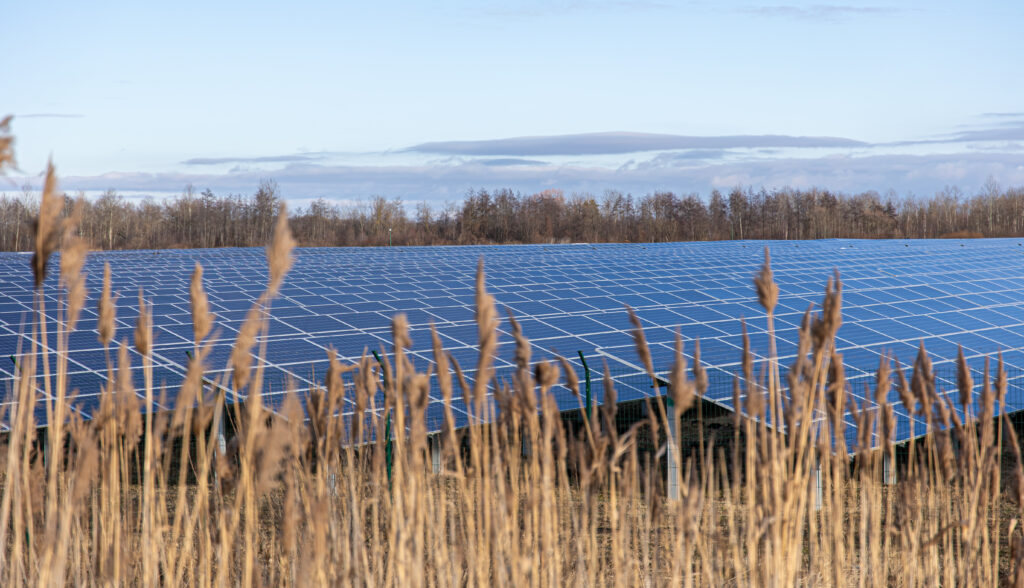
Renewable energy has transformed the global energy landscape, offering cleaner alternatives to fossil fuels and reducing carbon emissions at scale. However, one of its biggest challenges remains unresolved: intermittency. Solar panels only generate electricity when the sun shines, and wind turbines depend on weather conditions that cannot be controlled. As a result, balancing supply and demand becomes increasingly complex as renewable energy adoption grows.
Long-duration energy storage is emerging as a key solution to this challenge. By storing excess energy for extended periods and releasing it when needed, these systems help stabilize energy supply and ensure reliability, even when renewable generation fluctuates. In this context, storage is no longer just a supporting technology, but a central pillar of the energy transition.
Understanding long-duration energy storage
Long-duration energy storage refers to technologies capable of storing energy for several hours, days, or even longer. Unlike short-term batteries that balance daily fluctuations, these systems are designed to manage extended gaps between energy generation and demand.
When renewable production exceeds consumption, excess energy can be stored and used later during periods of low generation. Consequently, energy systems become more flexible and less dependent on fossil fuel backup. This ability to shift energy across time is essential for achieving a fully renewable grid.
Beyond traditional batteries
While lithium-ion batteries dominate current storage solutions, they are not always suitable for long-duration needs. Their cost, material constraints, and limited discharge time make them less effective for storing energy over extended periods.
As a result, alternative technologies are gaining attention. These include pumped hydro storage, thermal energy systems, compressed air, and emerging chemical storage solutions. Each approach offers different advantages depending on scale, geography, and application.
Why long-duration storage matters
As renewable energy penetration increases, the need for reliable storage becomes more urgent. Without it, excess energy is often curtailed, meaning clean electricity is wasted because it cannot be used or stored effectively.
Long-duration storage addresses this issue by capturing surplus energy and making it available when demand rises. In addition, it reduces reliance on fossil fuel power plants that are currently used to stabilize the grid during periods of low renewable output.
Enabling a fully renewable energy system
A clean energy system requires more than just generation capacity. It also needs the ability to deliver energy consistently, regardless of time or weather conditions. Long-duration storage makes this possible by acting as a buffer that smooths out variability.
Over time, this capability allows countries to increase their share of renewables without compromising grid stability or energy security.
Innovation and future potential
Technological innovation is driving rapid progress in this field. New materials, improved system designs, and digital tools are making long-duration storage more efficient and cost-effective. At the same time, governments and private investors are increasing support for large-scale deployment.
As these solutions mature, they are expected to play a critical role in decarbonizing not only electricity systems, but also industries that require stable and continuous energy supply.
Conclusion
Long-duration energy storage is essential for unlocking the full potential of renewable energy. By solving the challenge of intermittency, it enables a more reliable, flexible, and sustainable energy system. As the transition to clean energy accelerates, storage technologies will become a cornerstone of a resilient and low-carbon future.