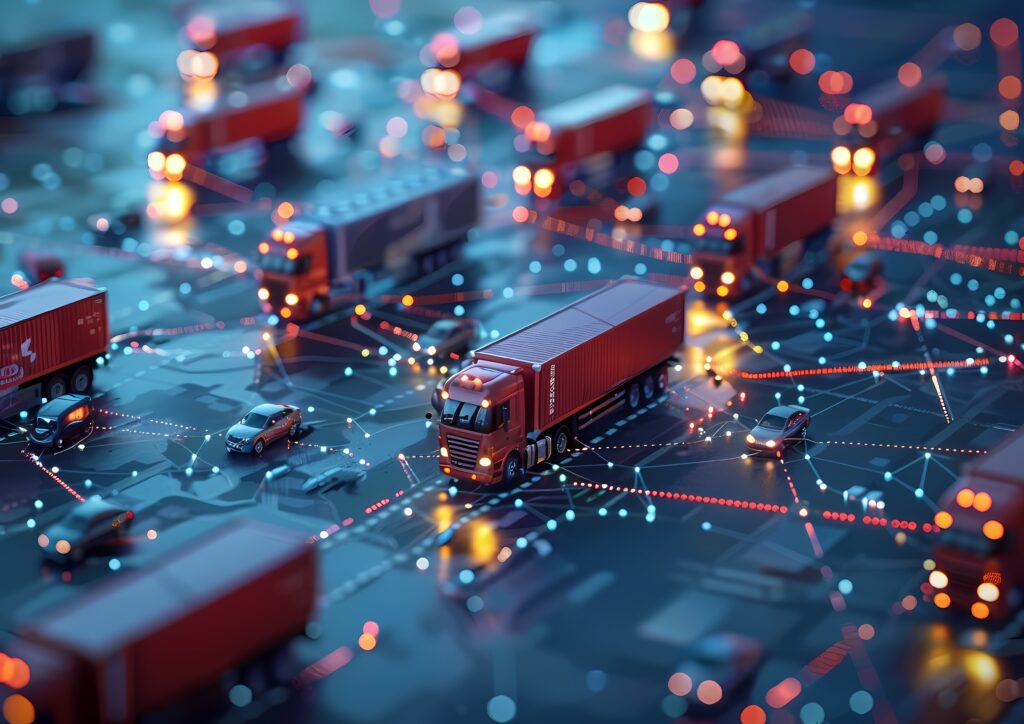
For decades, global supply chains have been built around a simple principle: move products forward as efficiently as possible. Raw materials are extracted, goods are manufactured, distributed, consumed, and eventually discarded. This linear system has driven economic growth, yet it has also accelerated resource depletion and waste generation. Reverse logistics challenges this one-way model by introducing structured systems that bring products, components, and materials back into the value chain.
Instead of treating returns, repairs, and recycling as operational disruptions, reverse logistics reframes them as strategic opportunities. By managing the backward flow of goods effectively, companies can recover value, reduce environmental impact, and strengthen supply chain resilience in an increasingly resource-constrained world.
Understanding reverse logistics
Reverse logistics refers to the processes that move products from the consumer back to manufacturers or specialized facilities for reuse, refurbishment, remanufacturing, or recycling. Unlike traditional logistics, which focuses on speed and distribution efficiency, reverse systems are designed to preserve value after the initial sale.
When integrated thoughtfully, these systems help transform supply chains from linear pathways into circular networks. As a result, materials remain in use for longer, and waste becomes a resource rather than a liability.
Recovering value beyond returns
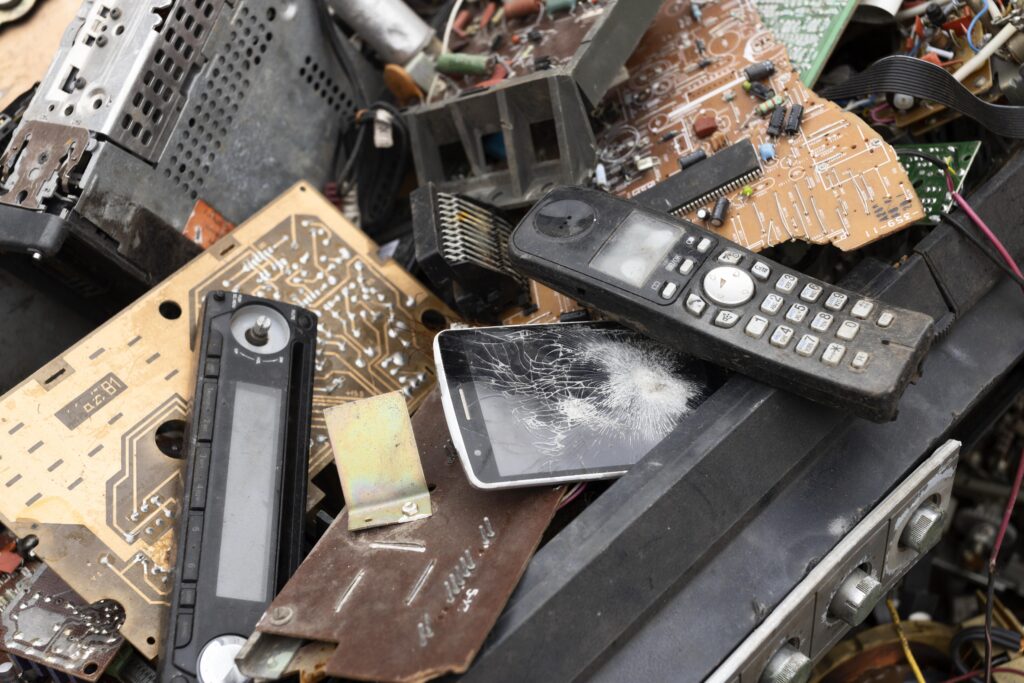
Although customer returns are a visible part of reverse logistics, the concept extends far beyond that. It includes product take-back programs, packaging recovery, repair services, and end-of-life collection strategies. Each of these mechanisms contributes to reducing disposal and maximizing resource efficiency.
By embedding recovery processes into core operations, businesses can lower material costs while improving environmental performance.
Why reverse logistics matters
Global supply chains are increasingly exposed to material shortages, geopolitical disruptions, and volatile prices. In this context, recovering existing materials becomes a strategic advantage. Reverse logistics reduces dependence on virgin resources and lowers emissions linked to extraction and manufacturing.
Moreover, consumers and regulators are demanding greater accountability for products throughout their entire lifecycle. Companies that close the loop not only reduce their environmental footprint but also strengthen trust and long-term competitiveness.
Conclusion
Reverse logistics represents a crucial step toward circular supply chains. By enabling products and materials to flow back into production systems, businesses can cut waste, recover value, and build more resilient operations. In a world where resources are finite, designing supply chains that move in both directions may be essential for achieving true sustainability.