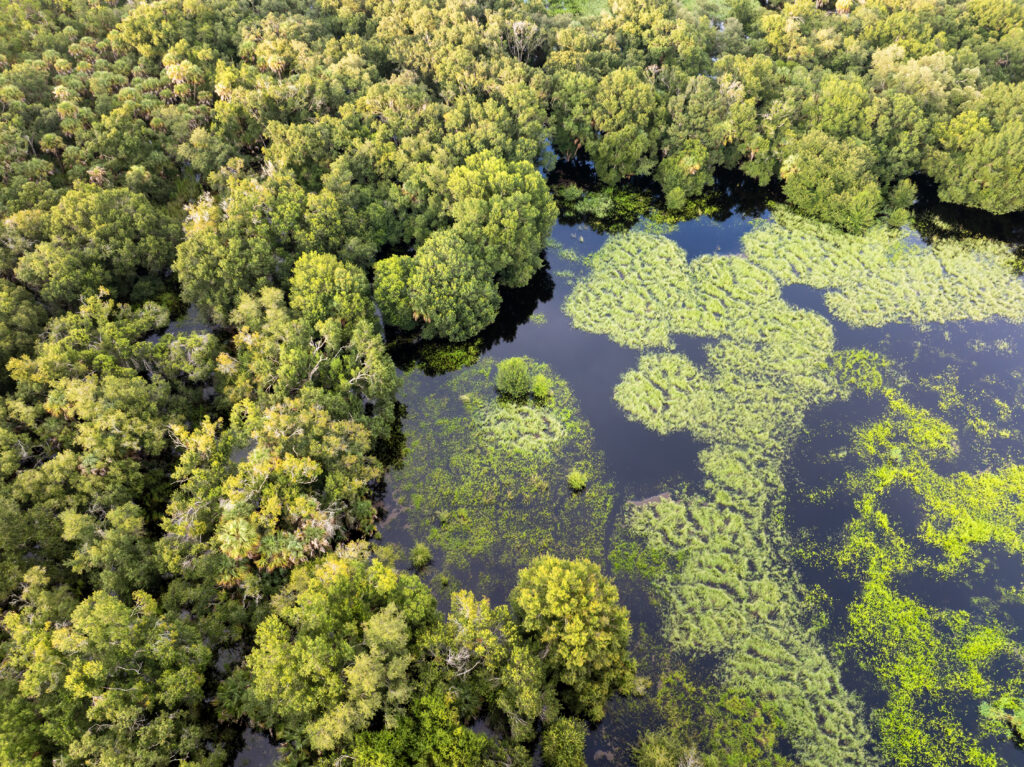
Biodiversity conservation is the foundation of healthy ecosystems, supporting everything from food production and clean water to climate regulation and human well-being. However, habitat destruction, pollution, climate change, and unsustainable resource use are placing unprecedented pressure on ecosystems around the world. As species decline and natural habitats disappear, protecting biodiversity has become one of the most urgent sustainability challenges of our time.
Biodiversity conservation focuses on safeguarding ecosystems, species, and genetic diversity to ensure that natural systems continue to function effectively. By combining scientific knowledge, sustainable practices, and collaborative action, it is possible to protect endangered ecosystems and strengthen their resilience for future generations.
Understanding biodiversity conservation
Biodiversity conservation involves the protection, restoration, and sustainable management of ecosystems and the species they support. Healthy ecosystems provide essential services that societies depend on, including pollination, water purification, carbon storage, and soil fertility.
When biodiversity declines, ecosystems become more vulnerable to disturbances and less capable of adapting to environmental changes. Therefore, conservation efforts are critical not only for protecting wildlife but also for maintaining the ecological balance that supports human life.
Addressing the main threats
Habitat loss remains one of the leading causes of biodiversity decline. Expanding urban areas, intensive agriculture, and deforestation continue to fragment ecosystems and reduce available habitats for many species.
In addition, climate change is altering ecosystems at a rapid pace, forcing species to adapt, migrate, or face extinction. Pollution and the introduction of invasive species further intensify these pressures, highlighting the need for comprehensive conservation strategies.
Strategies to protect endangered ecosystems
Habitat restoration and protection
Protecting existing natural areas and restoring degraded ecosystems are among the most effective conservation measures. Reforestation projects, wetland restoration, and the creation of protected areas help preserve critical habitats while supporting ecosystem recovery.
These initiatives not only benefit wildlife but also enhance ecosystem services that contribute to climate regulation and community well-being.
Sustainable resource management
Conservation efforts must also address how natural resources are used. Sustainable agriculture, responsible forestry, and ecosystem-based management practices reduce environmental pressure while balancing economic and social needs.
By integrating conservation into development planning, it becomes possible to support both biodiversity protection and long-term sustainability goals.
Collaboration for a resilient future
Governments, businesses, local communities, and conservation organizations all play a role in protecting biodiversity. Policies that promote habitat conservation, environmental education, and scientific research are essential for effective action.
At the same time, community involvement is critical. Local knowledge and stewardship often provide valuable insights that strengthen conservation outcomes and encourage long-term commitment.
Biodiversity conservation is essential for protecting endangered ecosystems and maintaining the natural systems that sustain life on Earth. Through habitat protection, sustainable resource management, and collaborative action, it is possible to address current threats and build more resilient ecosystems. Preserving biodiversity is not only an environmental responsibility but also an investment in a healthier and more sustainable future.