Fuel cells represent a quiet revolution in energy generation, offering a cleaner, more efficient, and versatile alternative to traditional energy sources. This technology has the potential to transform various sectors, from transportation to stationary power generation, by providing sustainable and reliable energy solutions. In this blog, we will explore the fundamentals of fuel cells, their advantages, types, applications, challenges, and the future outlook for this revolutionary technology.
Introduction to Fuel Cells
An Overview
They are devices that convert chemical energy directly into electrical energy through an electrochemical reaction, typically involving hydrogen and oxygen. Unlike conventional combustion engines, which rely on burning fuel to generate energy, they produce electricity cleanly, emitting only water and heat as by-products. This makes them an attractive option for reducing greenhouse gas emissions and combating climate change.
The Mechanism
How Fuel Cells Work
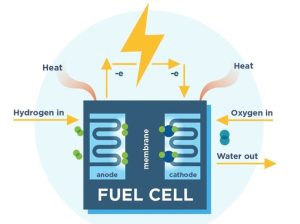
At the heart of every them there is an electrochemical cell that consists of an anode, a cathode, and an electrolyte. Hydrogen is fed into the anode, where it is split into protons and electrons. The protons pass through the electrolyte to the cathode, while the electrons flow through an external circuit, generating electricity. At the cathode, the protons and electrons combine with oxygen to produce water and heat.
Advantages of Fuel Cells
Environmental Benefits
They offer significant environmental advantages over traditional fossil fuel-based power generation. Since the primary by-products are water and heat, they do not emit pollutants such as nitrogen oxides (NOx), sulfur oxides (SOx), or particulate matter. This leads to improved air quality and reduced health risks associated with pollution.
High Efficiency
Fuel cells are highly efficient in converting chemical energy to electrical energy, often achieving efficiencies of 60% or higher. When used in combined heat and power (CHP) systems, overall efficiencies can exceed 80%. This is considerably higher than the efficiencies of internal combustion engines and traditional power plants.
Versatility and Scalability
Fuel cells are versatile and can be used in a wide range of applications, from small portable devices to large-scale power plants. They can operate on various fuels, including hydrogen, natural gas, and biogas, providing flexibility in fuel choice and availability.
Types of Fuel Cells
Proton Exchange Membrane Fuel Cells (PEMFCs)
PEMFCs are the most common type of fuel cells, known for their low operating temperatures and quick start-up times. They are widely used in transportation applications, such as fuel cell vehicles (FCVs), due to their compact size and high power density.
Solid Oxide Fuel Cells (SOFCs)
SOFCs operate at high temperatures, typically between 600 and 1000°C, making them suitable for stationary power generation and industrial applications. Their high efficiency and ability to use a variety of fuels, including hydrocarbons, make them a versatile choice for various energy needs.
Molten Carbonate Fuel Cells (MCFCs)
MCFCs operate at intermediate temperatures (about 650°C) and are mainly used for large-scale power generation. They can utilize carbon dioxide from external sources, making them suitable for carbon capture and storage (CCS) applications.
Applications of Fuel Cells
Transportation
Fuel cells are increasingly being used in the transportation sector, particularly in fuel cell electric vehicles (FCEVs). These vehicles offer longer ranges and shorter refueling times compared to battery electric vehicles (BEVs), making them ideal for long-distance travel and heavy-duty applications, such as buses and trucks.
Stationary Power Generation
Fuel cells provide reliable and efficient power for stationary applications, including residential, commercial, and industrial buildings. They can operate independently or in conjunction with the grid, offering backup power during outages and reducing reliance on fossil fuels.
Portable Power
Fuel cells are also used in portable power applications, such as backup power systems, portable generators, and military equipment. Their high energy density and low emissions make them suitable for use in remote or environmentally sensitive areas.
Challenges and Limitations
Cost
One of the main challenges facing fuel cell technology is the high cost of production. The use of expensive materials, such as platinum for catalysts, and the complexity of manufacturing processes contribute to the overall cost. However, ongoing research and development efforts aim to reduce costs and improve the economic viability of fuel cells.
Infrastructure
The lack of hydrogen infrastructure is another significant barrier to widespread adoption. Developing a robust network of hydrogen production, storage, and distribution facilities is essential for supporting fuel cell applications, particularly in the transportation sector.
Durability and Longevity
They need to demonstrate long-term durability and reliability to compete with conventional technologies. Degradation of components over time, particularly in high-temperature fuel cells, can affect performance and lifespan. Advancements in materials and design are crucial for enhancing the durability of fuel cells.
The Future of Fuel Cells
Technological Advancements
The future looks promising, with ongoing advancements in materials, design, and manufacturing processes. Research focuses on developing cost-effective and durable components, improving efficiency, and expanding the range of fuels that can be used in fuel cells.
Government and Industry Support
Government policies and incentives play a crucial role in promoting fuel cell technology. Many countries are investing in research and development, offering subsidies and tax incentives, and implementing regulations to reduce emissions and encourage the adoption of clean energy technologies.
Market Growth
The fuel cell market is expected to grow significantly in the coming years, driven by increasing demand for clean energy solutions and advancements in technology. The transportation sector, in particular, is likely to see substantial growth, with more manufacturers developing fuel cell vehicles and expanding hydrogen refueling infrastructure.
Conclusion
Fuel cells represent a quiet revolution in energy generation, offering a sustainable and efficient alternative to traditional energy sources. Despite the challenges, the potential benefits of fuel cells make them a key player in the transition to a low-carbon economy. As technology advances and infrastructure develops, fuel cells are poised to play an increasingly important role in various sectors, from transportation to stationary power generation. The future of fuel cells is bright, and their impact on the global energy landscape will undoubtedly be profound.