The future of renewable energy trends looks promising as we head into 2025. Governments, industries, and individuals worldwide are pushing harder than ever for clean, sustainable energy solutions, driven by climate goals and the desire for energy independence. With continuous technological advancements and global policies focusing on reducing carbon emissions, renewable energy is set to undergo significant transformations.
The Rise of Solar Energy in 2025
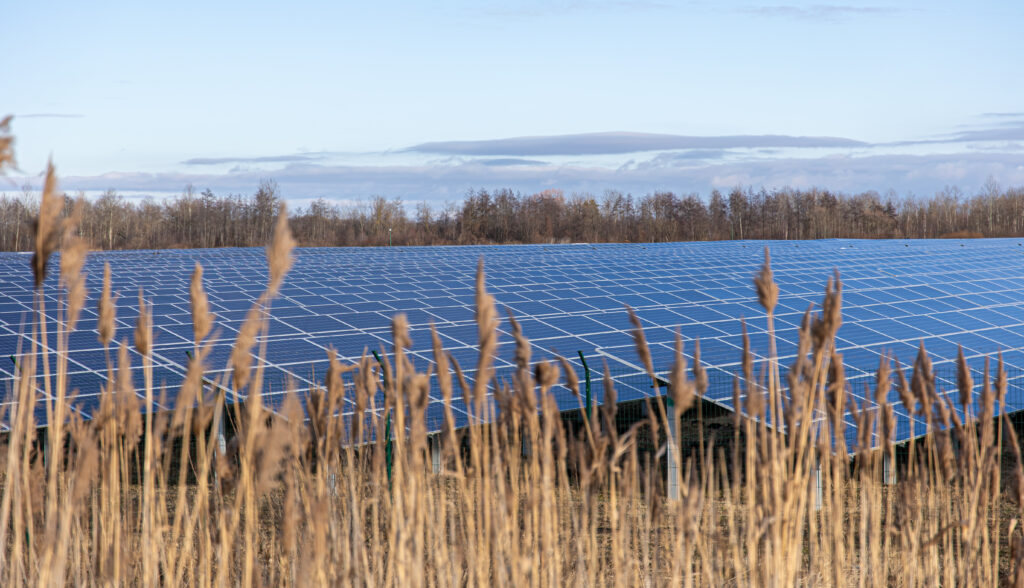
Solar energy remains a central pillar in the renewable energy landscape. In 2025, we expect solar power to take a more prominent role, not just because of its environmental benefits but also due to its increasing affordability.
Solar energy systems are becoming more efficient with the development of new photovoltaic technologies, such as perovskite solar cells, which offer higher efficiency at a lower cost. Additionally, energy storage systems, including advanced batteries, are enhancing the ability to store excess solar energy for later use. This eliminates one of solar power’s long-standing challenges: its dependence on daylight hours.
In many parts of the world, solar power is now cheaper than traditional fossil fuel energy. This trend will only strengthen, especially as the cost of solar panels continues to fall. In 2025, both utility-scale solar farms and rooftop installations will expand dramatically, powering homes, businesses, and entire communities with clean, renewable energy.
Wind Energy: The Continued Expansion
Wind energy is set to continue its upward trajectory as a key contributor to the global energy mix in 2025. Offshore and onshore wind projects are both growing in scope and capacity, driven by technological innovations that make wind turbines more efficient and less costly to maintain.
The next few years will see offshore wind farms growing in scale, particularly in Europe and parts of North America. Advances in floating wind turbines will allow developers to install turbines in deeper waters, where wind speeds are higher and more consistent. This will significantly increase the energy output of offshore wind farms.
Onshore wind energy will also grow, especially in countries with large, uninhabited areas that are ideal for wind farms. By 2025, wind energy will be playing an even larger role in powering cities and industries, providing a clean and renewable alternative to fossil fuels.
Energy Storage: Solving the Intermittency Issue
One of the major hurdles for renewable energy sources like wind and solar has always been intermittency—energy generation can be inconsistent, depending on the weather or time of day. However, by 2025, advancements in energy storage technologies will help mitigate this issue.
Lithium-ion batteries, which are currently the most popular storage solution, are becoming cheaper and more efficient. We will also see the rise of alternative storage technologies, such as solid-state batteries and flow batteries, which promise even greater energy densities and longer lifespans. These technologies will allow renewable energy producers to store excess energy and release it when demand is high, ensuring a more stable and reliable energy grid.
Moreover, grid-scale storage solutions are becoming increasingly common. As energy storage technology evolves, it will become an integral part of energy systems worldwide, balancing the supply and demand of renewable energy.
Hydrogen: The Fuel of the Future?
Hydrogen has long been hailed as a potential game-changer in the renewable energy landscape, and by 2025, we will start to see this vision come to life. Green hydrogen, produced using renewable energy sources like wind and solar, will become a key component in decarbonizing industries that are difficult to electrify, such as heavy manufacturing, transportation, and even aviation.
Countries and companies are investing heavily in hydrogen infrastructure, from production plants to transportation networks. In 2025, expect to see more hydrogen-powered vehicles, buses, and even aircraft as hydrogen fuel cells become more commercially viable. This will not only reduce greenhouse gas emissions but also create new opportunities for sustainable growth in sectors that have traditionally relied on fossil fuels.
Smart Grids and Digitalization of Energy
The digitalization of energy grids is another critical trend we can expect to take off by 2025. Smart grids will play a pivotal role in integrating renewable energy sources into the energy mix, helping to balance supply and demand in real-time while ensuring energy efficiency.
Smart grids use advanced sensors, automation, and machine learning to optimize energy distribution. By managing energy consumption more effectively, smart grids reduce energy waste and improve the resilience of power systems. This digital transformation is particularly important for integrating distributed energy resources, such as residential solar panels and electric vehicles, into the grid.
In addition to managing energy flow, smart grids will enable consumers to become more active participants in the energy market. With the rise of smart meters and home energy management systems, consumers will have greater control over their energy usage, leading to more energy-efficient homes and businesses.
Electric Vehicles and the Integration of Renewables
The transportation sector is undergoing a major transformation, with electric vehicles (EVs) becoming more mainstream. By 2025, the growth of EVs will have a significant impact on renewable energy demand.
EVs can act as mobile energy storage units, feeding electricity back into the grid when needed. This concept, known as vehicle-to-grid (V2G) technology, allows renewable energy systems to become more flexible and adaptable to fluctuations in energy generation.
As more consumers adopt electric vehicles, charging infrastructure will expand, with many charging stations powered by renewable energy. This integration of EVs with renewable energy sources will create a cleaner, more sustainable transportation system that relies less on fossil fuels.
Policy and Investment Driving Renewable Energy Growth
Government policies and corporate investments will continue to be key drivers of renewable energy growth in 2025. Many countries have committed to achieving net-zero carbon emissions by 2050, with renewable energy playing a critical role in meeting these targets. As a result, policymakers are enacting regulations and providing financial incentives to promote renewable energy adoption.
Renewable energy auctions, tax credits, and subsidies will encourage the development of wind, solar, and other clean energy projects. Additionally, public and private investments in research and development will drive innovation in renewable energy technologies, making them more cost-effective and accessible.
The private sector is also stepping up its efforts, with many corporations committing to 100% renewable energy use within the next decade. By 2025, expect to see even more companies investing in renewable energy projects, both to meet sustainability goals and to capitalize on the economic benefits of clean energy.
Decentralized Energy Systems: Empowering Communities
In 2025, we will see a growing trend toward decentralized energy systems. These systems allow communities, businesses, and even individual homes to generate, store, and manage their own energy, reducing reliance on centralized power grids.
Microgrids, which are smaller-scale versions of the traditional power grid, will become increasingly popular in both urban and rural areas. They provide energy independence, resilience against power outages, and the ability to integrate renewable energy sources at the local level.
Decentralized energy systems will empower consumers to take control of their energy needs while reducing the environmental impact of large-scale power generation. This shift toward localized energy production and consumption will be a crucial aspect of the renewable energy transition by 2025.
Energy Efficiency: The Silent Hero of Sustainability
While renewable energy sources like wind, solar, and hydrogen often steal the spotlight, energy efficiency is an equally important aspect of the clean energy transition. By 2025, we can expect significant advancements in energy efficiency technologies, both in homes and industries.
Buildings are one of the largest consumers of energy, and retrofitting older buildings with energy-efficient technologies will be a top priority. Innovations in insulation, lighting, heating, and cooling systems will dramatically reduce energy consumption. At the same time, smart appliances and energy management systems will enable consumers to optimize their energy use.
In industries, energy efficiency will be driven by advancements in manufacturing processes, equipment, and materials. By improving energy efficiency, industries can reduce costs and carbon emissions while boosting productivity.
The Global Shift Toward Clean Energy
As we look toward 2025, the global shift toward renewable energy is undeniable. Countries around the world are setting ambitious renewable energy targets, with some aiming for 100% clean energy within the next few decades.
Developing nations, in particular, are turning to renewable energy to meet growing energy demands while minimizing environmental impact. In many cases, renewable energy projects are more cost-effective and scalable than traditional fossil fuel infrastructure, especially in remote or off-grid areas.
This global shift is not only about reducing carbon emissions but also about creating economic opportunities. Renewable energy industries are driving job creation, innovation, and investment, making them key contributors to sustainable development.
Conclusion: A Renewable Energy Trends Revolution by 2025
The renewable energy sector is on the cusp of a revolution, with significant advancements expected by 2025. Solar and wind power will continue to dominate, supported by innovations in energy storage, hydrogen, and smart grid technologies. Electric vehicles will become more integrated with renewable energy systems, driving demand for clean energy. At the same time, decentralized energy systems will empower communities and individuals to take control of their energy needs.
As we move toward 2025, renewable energy will play an increasingly important role in addressing climate change, reducing carbon emissions, and creating a sustainable future for all. The next few years will be critical in shaping the future of energy, and the world will witness the transformative power of clean, renewable energy sources.
In short, 2025 will mark a major milestone in the global renewable energy transition, laying the foundation for a greener, cleaner, and more sustainable world.