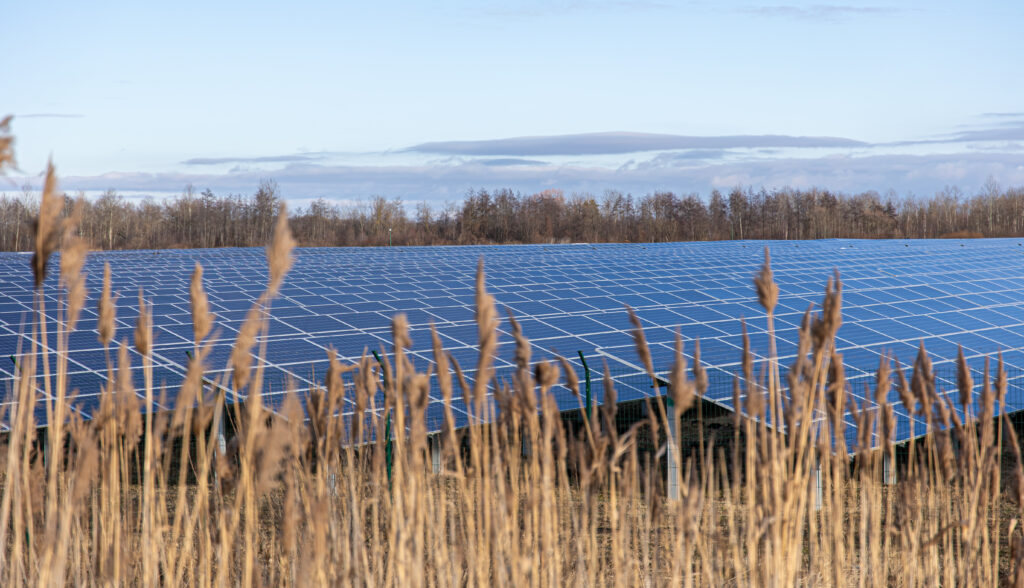
The world is undergoing a significant shift toward cleaner, renewable energy sources in an effort to combat climate change. This global energy transition is not just about reducing carbon emissions—it’s also reshaping industries and redefining the global job market. Traditional roles in fossil fuels are declining, while opportunities in renewable energy, energy efficiency, and green technologies are rapidly growing.
As countries invest in sustainable energy solutions, millions of new jobs are being created in sectors like solar, wind, and energy storage, while other fields are being transformed by digitalization and automation, this leads to a huge impact on the job market. This transition presents both challenges and opportunities for workers across the globe, requiring upskilling and adaptation to thrive in the evolving energy economy.
Renewable energy jobs surge amid the global energy transition
The future of employment
The global energy transition is driving a rapid surge in renewable energy jobs. As governments prioritize cleaner energy sources like solar, wind, and hydropower, the demand for skilled workers in these industries is skyrocketing. According to the International Renewable Energy Agency (IRENA), over 12 million jobs were created in the renewable sector in 2023, and this number is expected to grow.
How jobs will reshape economies
This shift not only boosts job creation but also reshapes economies, creating opportunities in regions previously reliant on fossil fuels. Workers with expertise in electrical engineering, project management, and technology development are especially in demand as industries adapt to a low-carbon economy.
The rise of green engineering roles in the energy transition
Green engineering roles: key to a sustainable future
Green engineering roles are becoming pivotal as the energy sector shifts toward sustainability. These roles focus on designing environmentally friendly systems that reduce carbon emissions. From developing more efficient energy grids to creating new storage solutions, green engineers are at the forefront of the global energy transition.
The growing need for green engineering skills
As industries adopt cleaner energy solutions, professionals in green engineering are vital for ensuring that projects are efficient, cost-effective, and environmentally sustainable. This rise in demand is contributing to an evolving job market that rewards innovation and technical expertise.
The role of upskilling in the global energy transition
Preparing the workforce for the energy transition
As the global energy transition accelerates, upskilling becomes crucial for workers. The shift from fossil fuels to renewable energy requires a workforce with new skill sets. Training programs in solar panel installation, wind turbine maintenance, and energy storage technology are essential to meet the demands of the growing green economy.
Why upskilling is critical for job security
Upskilling not only provides job security for those transitioning from fossil fuel sectors, but also ensures a steady supply of qualified professionals for emerging industries. Governments and companies alike are investing heavily in education and training programs to close the skills gap in the renewable sector.
The global energy transition and gender equality in the workforce
Empowering women in the energy transition
The global energy transition is opening up new opportunities for gender equality in the workforce. Historically, the energy sector has been male-dominated, particularly in fossil fuel industries. However, the rise of renewables offers an opportunity to promote diversity and inclusion.
Bridging the gender gap in renewable energy jobs
Women are increasingly being hired in roles related to clean energy, including project management, policy development, and engineering. Initiatives that support female education and professional growth in STEM fields are also contributing to a more diverse energy workforce
Energy efficiency jobs: a booming sector in the energy transition
Energy efficiency jobs: a growing opportunity
The global push toward energy efficiency is creating a boom in related jobs. Energy efficiency roles focus on reducing energy consumption in buildings, transportation, and industrial processes. This sector is critical for reducing carbon emissions and helping countries meet their climate goals.
The economic benefits
Professionals working in energy auditing, retrofitting, and building design are in high demand as businesses and governments look for ways to cut energy costs. This growing sector is not only helping the environment but also driving economic growth by creating well-paying, sustainable jobs.
The digitalization of energy and its impact on jobs
Transforming the job market
The digitalization of the energy sector is playing a key role in the global energy transition. Technologies like smart grids, AI-driven energy management systems, and blockchain-based energy trading are changing the way energy is produced, distributed, and consumed.
Digital skills in high demand for the energy transition
With these advancements come new job opportunities in tech-savvy roles. Professionals skilled in data analytics, software development, and cybersecurity are increasingly needed to manage and optimize digital energy systems, making digital skills essential in the modern job market.
The role of policy and regulation in shaping the energy job market
Energy policies and regulations: influencing the job market
Government policies and regulations are shaping the job market in the global energy transition. By implementing carbon taxes, subsidies for renewable energy, and stricter environmental standards, policymakers are driving demand for green jobs while reducing reliance on fossil fuels.
How policy changes affect employment in energy sectors
These policies can either create or eliminate jobs, depending on the industry. For example, policies favoring renewable energy lead to job creation in solar and wind sectors, while regulations aimed at reducing emissions can decrease employment in oil and gas.
The economic impact of energy storage jobs in the global energy transition
Powering the future of energy
Energy storage is a crucial element of the global energy transition, and it’s also creating new job opportunities. As renewable energy sources like solar and wind become more prevalent, reliable energy storage systems are needed to ensure a steady power supply.
The rising demand for professionals
Jobs in battery technology, energy storage system design, and grid management are on the rise. This demand is driving innovation and leading to the development of more sustainable and efficient energy systems, making it a critical sector for future job growth
The future of energy jobs: adapting to the global energy transition
A workforce in transition
The future of energy jobs is rapidly evolving due to the global energy transition. While traditional fossil fuel roles are declining, new opportunities in renewable energy, energy efficiency, and digital technologies are emerging.
How workers can adapt to the changing energy landscape
To succeed in this new environment, workers need to be adaptable and ready to learn new skills. Governments, companies, and educational institutions must collaborate to provide the necessary training and resources to support workers during this transformation.
Conclusion: embracing change in the energy job market
The global energy transition is undeniably transforming the job market, creating a wave of opportunities in renewable energy, energy efficiency, and innovative technologies. As traditional fossil fuel roles decline, workers and industries must adapt to meet the demands of a sustainable future. The emphasis on upskilling and education is crucial for empowering the workforce to thrive in this evolving landscape.
Additionally, promoting diversity and inclusion within the energy sector will ensure that the benefits of this transition are felt by all. By embracing the changes brought about by the global shift to cleaner energy sources, we can not only address climate challenges but also pave the way for a more resilient and equitable job market. The future of energy jobs lies in our ability to innovate, collaborate, and invest in a sustainable tomorrow