Technology transforming urban development
How cities are leveraging technology for growth
The rise of smart cities is driven by technological innovation, integrating advanced systems to create more efficient, sustainable urban environments. Technologies like the Internet of Things (IoT), artificial intelligence (AI), and data analytics are helping cities optimize resources such as energy, water, and transportation. Smart sensors monitor air quality, traffic, and energy usage, improving the quality of life for urban residents. As cities grow, smart technology plays a critical role in sustainable urban development, reducing carbon footprints and improving efficiency across all sectors.
The key to green urban growth
Sustainability and the rise of cities
Sustainability is at the heart of the smart city movement. The integration of green technologies is essential for reducing environmental impacts in urban areas. From smart grids that optimize energy consumption to green building designs that lower energy use, sustainability initiatives are reshaping city landscapes. Smart waste management and water conservation systems also play a pivotal role in creating eco-friendly cities. These solutions not only help reduce emissions but also make cities more resilient to the effects of climate change.
The role of IoT in the rise of smart cities
IoT: The Backbone of technology
The Internet of Things (IoT) is central to the rise of smart cities, enabling real-time data collection and analysis to enhance urban services. From smart lighting systems that adjust based on demand to traffic sensors that reduce congestion, IoT technology helps cities become more efficient and responsive. By gathering and analyzing data from various sources, cities can optimize energy use, reduce waste, and improve public safety. The rise of IoT in smart cities is not only transforming urban services but also fostering sustainability through intelligent infrastructure.
How AI is accelerating the rise
Artificial intelligence driving innovation
Artificial intelligence (AI) is another game-changer in the rise of smart cities. AI-powered systems can analyze large volumes of data from sensors, enabling cities to predict and address issues like traffic congestion and energy inefficiencies. AI is also being used to manage public services, from healthcare to transportation, ensuring more efficient use of resources. In smart cities, AI helps make data-driven decisions that optimize urban operations and improve sustainability, making it a critical tool for future urban development.
Smart mobility: Shaping transportation
The impact of smart mobility on urban sustainability
Smart mobility solutions are transforming transportation systems in smart cities. The rise of autonomous vehicles, electric buses, and bike-sharing programs are making urban transport more sustainable. Smart traffic management systems are reducing congestion, while integrated public transportation apps allow residents to choose the most efficient routes. These innovations are not only lowering emissions but also reducing the reliance on personal vehicles. As smart cities evolve, smart mobility will be essential to creating greener, more livable urban environments.
Energy efficiency: A cornerstone of smart city sustainability
The rise of energy efficiency in development
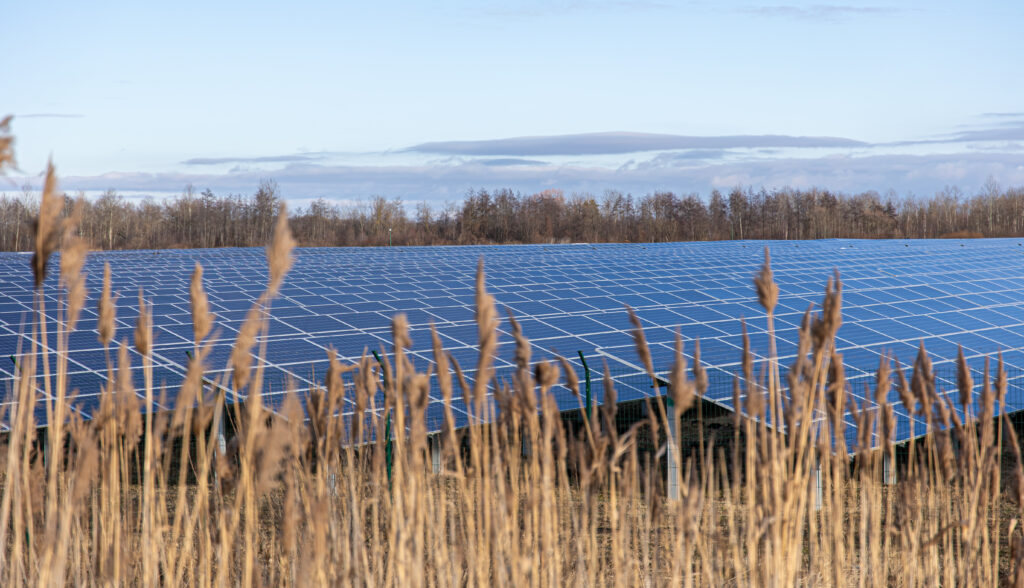
Energy efficiency is a core component of smart city initiatives. The rise of smart grids allows cities to manage energy distribution more effectively, ensuring that power is used where and when it’s needed most. Buildings equipped with smart thermostats and energy-efficient appliances reduce overall energy consumption. Additionally, cities are incorporating renewable energy sources, such as solar and wind, into their infrastructure. By focusing on energy efficiency, smart cities can significantly reduce their carbon footprints while promoting sustainable development.
Smart buildings: Revolutionizing urban infrastructure
The role of smart buildings
Smart buildings are key elements of the rise of smart cities, integrating advanced technologies to enhance energy efficiency and occupant comfort. These buildings use IoT devices to monitor and control lighting, heating, and cooling systems, optimizing energy use based on real-time data. Smart buildings are also designed with sustainability in mind, utilizing eco-friendly materials and renewable energy sources. As urban populations grow, smart buildings are essential for creating sustainable, tech-driven infrastructure that supports both environmental and economic goals.
Public safety : How technology is making cities safer
Enhancing urban safety with smart technologies
The rise of smart cities is improving public safety through the integration of cutting-edge technology. Smart surveillance systems, powered by AI and facial recognition, are being used to monitor public spaces, detecting potential threats in real time. Additionally, IoT devices can alert authorities to incidents such as fires, floods, or traffic accidents, enabling faster response times. By using technology to monitor and manage risks, smart cities are enhancing the safety and well-being of their residents, creating more secure urban environments.
The importance of citizen engagement in smart city development
How citizen participation shapes smart cities
Citizen engagement is a critical factor in the success of smart cities. The rise of smart cities requires the active participation of residents to ensure that technological solutions address their needs. Digital platforms and mobile apps enable citizens to provide feedback on urban services, report issues, and participate in decision-making processes. By involving citizens in the development of smart cities, governments can create more responsive, inclusive urban spaces. Citizen-driven data also helps cities continuously improve sustainability efforts and resource management.
Challenges and opportunities in the rise of smart cities
Overcoming obstacles to sustainable urban development
While the rise of smart cities presents numerous opportunities for improving urban living, it also comes with challenges. The cost of implementing smart technologies can be prohibitive for some cities, while data privacy and security concerns must be addressed to protect residents. Additionally, ensuring equitable access to smart city benefits is essential, as technological advancements can sometimes exacerbate social inequalities. However, with proper planning and investment, the rise of smart cities offers immense potential for creating sustainable, technologically advanced urban environments.
Conclusion: The future of urban living through smart cities
The rise of smart cities represents a transformative approach to urban development, driven by technological innovation and sustainability. By integrating smart technologies like IoT, AI, and renewable energy systems, cities can optimize resources, reduce environmental impacts, and improve the quality of life for their residents. However, the journey toward creating truly smart cities is not without challenges, such as cost, data security, and ensuring equitable access to technology.
As cities continue to grow, it is essential to invest in forward-thinking solutions that prioritize sustainability and citizen engagement. The future of urban living depends on our ability to harness the power of technology while fostering inclusive, resilient, and eco-friendly environments. Smart cities are not just about technology—they are about building a sustainable future where innovation and community thrive together