Circular Economy: Redefining Waste Management for a Sustainable Future
What is the Circular Economy and Why Does it Matter?
The circular economy is a transformative model that rethinks traditional waste management systems by focusing on reducing, reusing, and recycling materials. Unlike the linear economy, which relies on a «take-make-dispose» approach, the circular economy aims to minimize waste and extend the lifecycle of products. By shifting towards a circular economy, businesses and governments can reduce environmental impacts, conserve natural resources, and create sustainable growth. Redefining waste management within this framework is crucial for achieving a more sustainable future.
Recycling in the Circular Economy: Closing the Loop
How Recycling Supports the Circular Economy
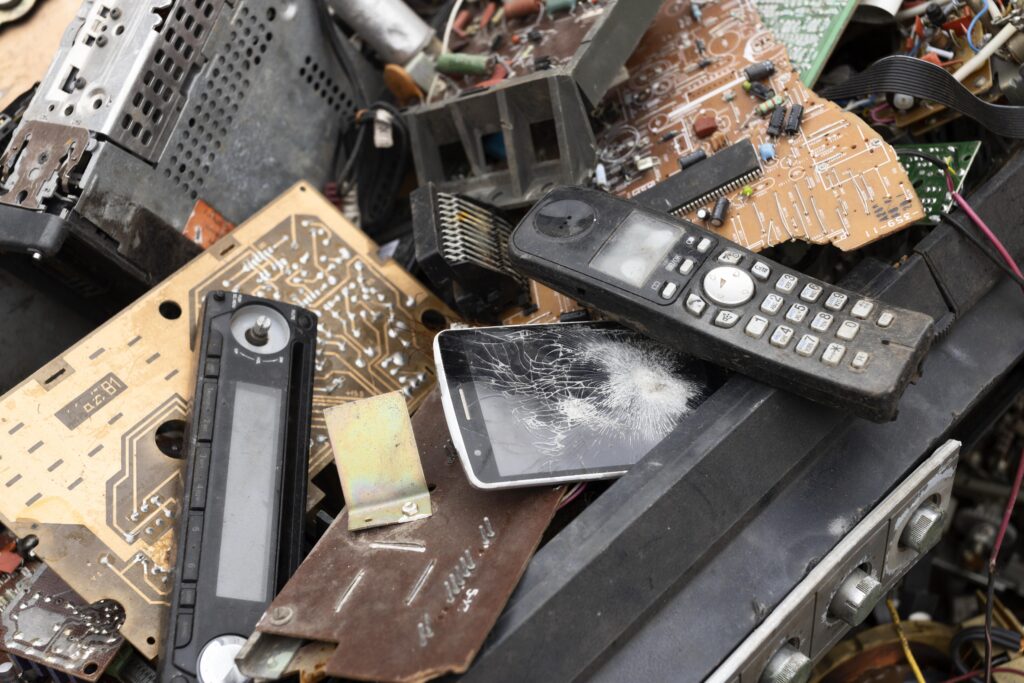
Recycling is a key component of the circular economy, helping to «close the loop» on waste. By recycling materials such as plastic, glass, and metals, we reduce the need for virgin resources and decrease environmental pollution. In a circular economy, recycling goes beyond basic waste collection—it involves creating systems that prioritize material recovery and reintegration into the production cycle. Redefining waste management through efficient recycling processes helps support a sustainable future by reducing landfill waste and conserving resources.
Product Design and Innovation in the Circular Economy
Designing Products for a Sustainable Future
In the circular economy, product design plays a crucial role in waste management. Designing products with durability, repairability, and recyclability in mind reduces waste and promotes a sustainable lifecycle. Redefining product design means shifting away from planned obsolescence and focusing on creating long-lasting, environmentally friendly products. From biodegradable packaging to modular electronics, innovative designs can drastically reduce waste and support the goals of the circular economy for a more sustainable future.
The Role of Extended Producer Responsibility in Waste Management
Holding Manufacturers Accountable in the Circular Economy
Extended Producer Responsibility (EPR) is a policy framework that encourages manufacturers to take responsibility for the entire lifecycle of their products, including post-consumer waste. In a circular economy, EPR helps redefine waste management by incentivizing producers to design more sustainable products and reduce waste. EPR policies encourage recycling, reuse, and resource recovery, creating a more sustainable future where businesses are accountable for minimizing their environmental footprint.
Biodegradable and Compostable Materials: A Key to Circular Waste Management
Using Biodegradable Materials for a Sustainable Future
Biodegradable and compostable materials are critical in redefining waste management within the circular economy. These materials break down naturally, reducing landfill waste and contributing to healthier ecosystems. In a circular economy, adopting biodegradable alternatives to traditional plastics and packaging helps support sustainability goals. By focusing on renewable materials that can decompose safely, we can significantly reduce waste and promote a circular system that benefits both the environment and future generations.
The Role of Technology in Redefining Waste Management for a Circular Economy
Smart Waste Management Solutions for a Circular Future
Technology is transforming waste management by providing innovative solutions that support the circular economy. Smart waste collection systems, AI-powered sorting facilities, and blockchain for tracking material recovery are examples of how technology is redefining waste management. These tools make it easier to monitor, analyze, and optimize waste processes, contributing to more efficient recycling, reduced waste, and a more sustainable future. Embracing technology is essential for enhancing the circular economy’s goals of resource conservation and reduced environmental impact.
Upcycling: Turning Waste into New Value in a Circular Economy
How Upcycling Contributes to a Sustainable Future
Upcycling is the process of transforming waste materials into new products of higher value, supporting the principles of the circular economy. By redefining waste as a resource, upcycling reduces the demand for virgin materials and minimizes environmental impact. In sectors such as fashion, furniture, and art, upcycled products are gaining popularity for their sustainability and creativity. Upcycling helps extend the lifecycle of materials, playing a key role in waste management and building a sustainable future.
The Role of Circular Economy in Reducing Plastic Waste
Redefining Plastic Waste Management for a Circular Future
Plastic waste is a significant environmental challenge, but the circular economy offers solutions to reduce its impact. By focusing on reuse, recycling, and redesigning plastic products, the circular economy redefines how we manage plastic waste. Shifting to a circular approach involves reducing single-use plastics, promoting recyclable materials, and creating systems for recovering plastic waste. These efforts help create a sustainable future where plastic waste is minimized, and materials are continuously cycled back into production.
Waste-to-Energy: Turning Waste into a Resource in a Circular Economy
How Waste-to-Energy Supports the Circular Economy
Waste-to-energy technologies convert waste materials into electricity, heat, or fuel, providing a sustainable alternative to landfills. In the circular economy, waste-to-energy redefines how we manage non-recyclable waste by turning it into a valuable resource. These technologies not only reduce the volume of waste but also generate clean energy, contributing to a more sustainable future. By incorporating waste-to-energy solutions, we can reduce landfill dependency and support the circular economy’s goals of resource recovery and environmental sustainability.
Circular Economy and the Fashion Industry: Redefining Waste in Fashion
How Circular Fashion Supports a Sustainable Future
The fashion industry is notorious for producing large amounts of waste, but the circular economy is reshaping how fashion is produced, consumed, and disposed of. Circular fashion promotes practices such as clothing recycling, upcycling, and designing for durability. By redefining waste management within the fashion industry, the circular economy reduces environmental impact and encourages a shift towards sustainable consumption. A future where fashion aligns with circular principles means less waste, more sustainable materials, and longer-lasting products.
Conclusion: Building a Sustainable Future Through the Circular Economy
The circular economy presents a powerful framework for redefining waste management and fostering a more sustainable future. By embracing practices like recycling, upcycling, and designing products for longevity, we can minimize waste and conserve valuable resources. The integration of technology, innovative materials, and policy changes like Extended Producer Responsibility (EPR) supports this transition, offering long-term solutions to the environmental challenges we face today.
As industries, governments, and consumers shift towards a circular mindset, the potential for reducing environmental impact grows. Whether through waste-to-energy initiatives, circular fashion, or smart waste management systems, the circular economy is redefining the way we think about waste. Ultimately, this approach not only reduces pollution but also encourages sustainable growth and resource efficiency, helping to create a healthier planet for future generations.