Green building materials: revolutionizing construction for sustainability
The construction industry is undergoing a major transformation to meet the urgent challenges of climate change and resource scarcity. A key element of this change is the adoption of green building materials: revolutionizing construction for sustainability. These sustainable alternatives reduce environmental impact, conserve energy, and promote healthier indoor environments. By focusing on renewable, recycled, and low-emission materials, the industry can significantly lower its carbon footprint while building resilient structures designed to last. Embracing green materials is essential not just for environmental reasons, but for economic and social sustainability as well.
Recycled steel: reducing environmental impact while maintaining structural strength
Recycled steel plays a pivotal role in green construction by significantly reducing the need for mining raw materials and the energy-intensive processes involved in producing new steel. It offers the same strength and durability as new steel, making it ideal for framing, roofing, and reinforcing structures. The use of recycled steel contributes to a circular economy by keeping valuable resources in use and lowering overall greenhouse gas emissions. Builders choosing recycled steel are actively promoting sustainable development without compromising on performance or safety standards.
Bamboo: offering fast renewable growth and exceptional versatility
Bamboo is a renewable resource that grows much faster than traditional hardwoods, often reaching maturity in just a few years. This rapid regeneration, combined with its strength and flexibility, makes bamboo an outstanding green building material. It is highly versatile, suitable for flooring, furniture, paneling, and even structural applications. Bamboo also acts as a carbon sink during its growth, absorbing large amounts of CO₂ and helping to mitigate climate change. Choosing bamboo supports sustainable forestry practices and offers a lightweight yet durable solution for modern construction projects focused on reducing environmental impact.
Reclaimed wood: giving new life to old materials while preserving forests
Reclaimed wood is an excellent sustainable choice that reduces the demand for new lumber and prevents valuable materials from ending up in landfills. Salvaged from old structures such as barns, factories, and warehouses, reclaimed wood carries a unique history and aesthetic appeal. Its use helps preserve forests, supports biodiversity, and lowers the carbon footprint associated with new timber harvesting. Beyond its environmental benefits, reclaimed wood adds warmth, character, and authenticity to buildings, making it a preferred choice for eco-conscious architects and designers aiming to combine sustainability with beauty.
Low-VOC paints: creating healthier indoor environments and reducing emissions
Traditional paints release volatile organic compounds (VOCs) into the air, contributing to indoor air pollution and health risks. Low-VOC paints significantly reduce these emissions, creating healthier living and working environments. They are available in a wide range of colors and finishes, offering both environmental and aesthetic benefits. Using low-VOC paints aligns with green building standards like LEED and WELL, promoting not only energy efficiency but also human well-being. Transitioning to low-emission paints is a small yet impactful step toward making every aspect of a construction project more sustainable and responsible.
Recycled concrete: reusing demolition waste for sustainable building solutions
Recycled concrete is a key component of sustainable construction, allowing builders to repurpose material from demolished buildings instead of sourcing new aggregates. This practice reduces the need for mining operations, conserves natural resources, and cuts down on energy use and CO₂ emissions. Recycled concrete can be used in a wide range of applications, from road base layers to new building foundations. Its adoption supports the principles of a circular economy and highlights how construction waste can be transformed into valuable new resources, promoting a more sustainable future for the industry.
Hempcrete: providing carbon-negative insulation and energy-efficient structures
Hempcrete is an innovative building material made from the inner woody fibers of the hemp plant mixed with a lime-based binder. It offers excellent insulation properties, high breathability, and strong resistance to mold and pests. Importantly, hempcrete is carbon-negative, meaning it absorbs more CO₂ than it emits during its production and lifecycle. Buildings using hempcrete enjoy lower heating and cooling costs, healthier indoor air, and long-lasting durability. Embracing hempcrete is a forward-looking choice that supports agricultural sustainability while delivering high-performance, eco-friendly construction solutions.
Green roofing systems: transforming rooftops into sustainable ecosystems
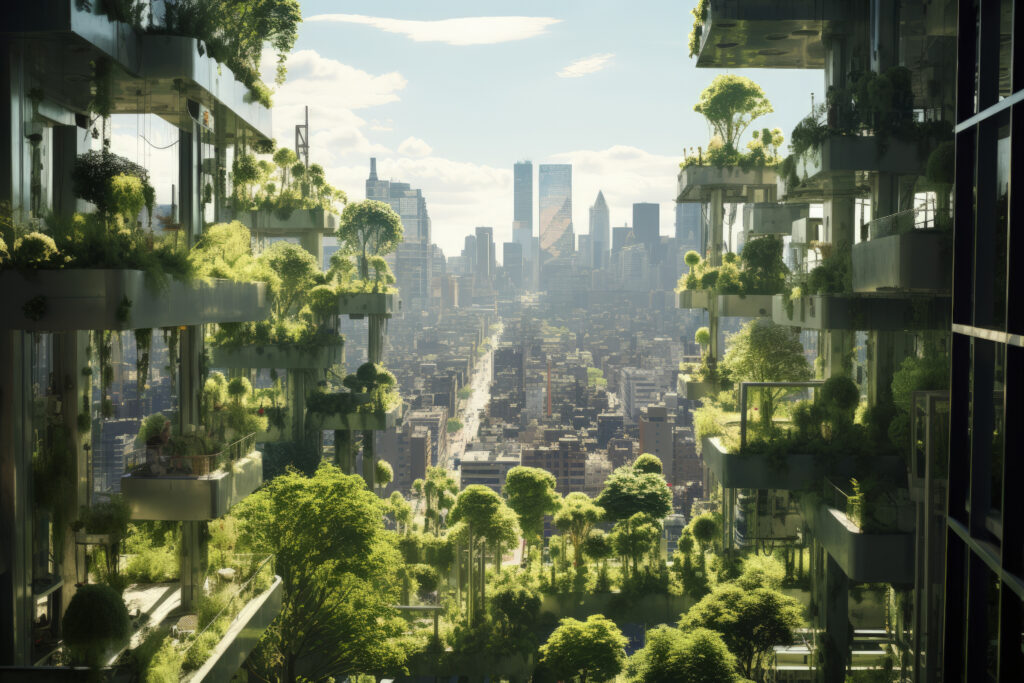
Green roofing systems integrate vegetation onto building rooftops, offering multiple environmental and economic benefits. They improve insulation, manage stormwater runoff, reduce urban heat islands, and provide habitats for wildlife. Green roofs also extend the lifespan of roofing materials by protecting them from UV radiation and extreme weather. In addition to their practical advantages, green roofs contribute to urban greening, enhancing city aesthetics and promoting public health and well-being. Investing in green roofs is a strategic way for developers and property owners to merge functionality with environmental stewardship.
Recycled plastic materials: turning environmental waste into durable construction products
Recycled plastic is increasingly being used to create durable construction products like composite lumber, insulation, tiles, and pipes. Utilizing plastic waste in this way helps tackle the global plastic pollution crisis while producing strong, weather-resistant materials for the building sector. Recycled plastic products often require less maintenance, resist moisture and pests, and offer lightweight alternatives to traditional materials. Incorporating recycled plastic into construction not only addresses critical waste management issues but also promotes innovative thinking in the design and execution of sustainable buildings.
Sheep’s wool insulation: offering a natural, renewable alternative to synthetic insulators
Sheep’s wool is a renewable and biodegradable material that offers outstanding thermal and acoustic insulation properties. It naturally regulates humidity, resists fire, and is safe to install without protective clothing. Unlike synthetic insulation materials, wool improves indoor air quality and supports healthier living environments. Its use in construction encourages sustainable farming practices and reduces dependence on energy-intensive manufacturing processes. By choosing sheep’s wool insulation, builders make a positive environmental impact while delivering superior comfort and performance in modern, eco-friendly homes and buildings.
Rammed earth construction: building durable structures with minimal environmental impact
Rammed earth is a time-tested building method that involves compacting layers of natural earth to form solid, load-bearing walls. It uses minimal processed materials and offers excellent thermal mass, helping to maintain stable indoor temperatures and reduce the need for heating and cooling. Rammed earth construction dramatically cuts down on embodied energy compared to conventional building methods and minimizes carbon emissions. Using locally sourced soil further reduces transportation impacts, making it one of the most sustainable building techniques available for creating durable and aesthetically pleasing structures.
Conclusion
Green building materials are fundamentally changing the future of construction, offering practical solutions to reduce environmental impact while improving building performance. By embracing innovations such as recycled steel, bamboo, reclaimed wood, and hempcrete, the industry can lead the shift toward a more sustainable, resilient, and healthier built environment. These materials not only conserve resources and lower carbon emissions but also promote a circular economy where waste is minimized and value is maximized. The future of construction depends on sustainable choices made today, and by integrating green building materials at every stage, we pave the way for smarter, greener cities that respect both people and the planet.