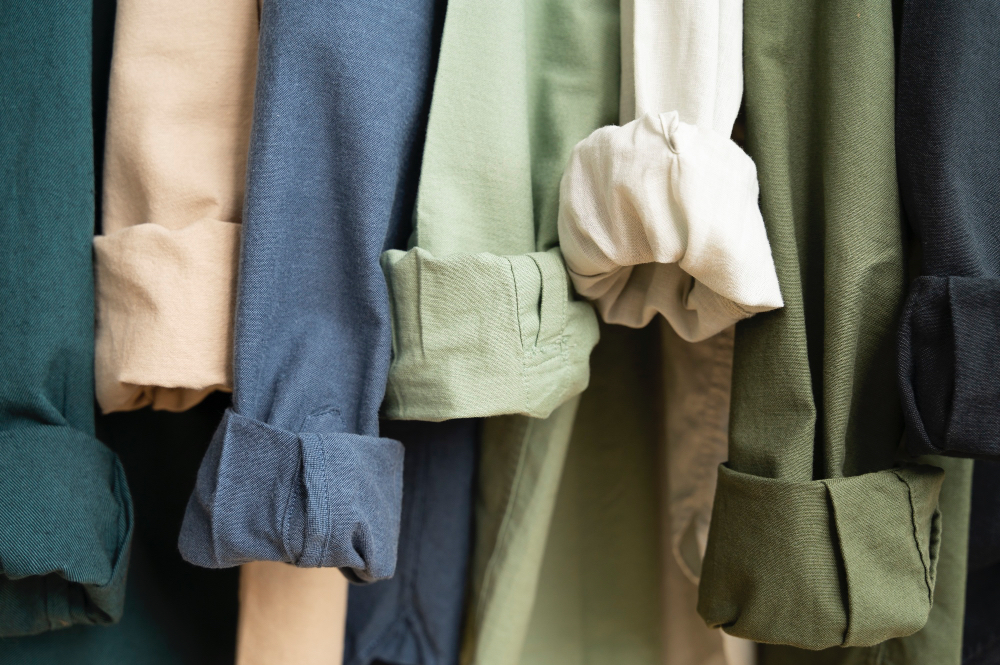
Sustainable fashion: reducing waste in the textile industry
The fashion industry has long been a symbol of creativity, self-expression, and cultural influence. However, beneath its glamour lies a harsh reality: the modern fashion system is one of the world’s most polluting industries. The rise of fast fashion has led to enormous waste, environmental degradation, and social inequality. In this new era of awareness, sustainable fashion has become not just a trend but a necessity, offering a more responsible path toward beauty and innovation without harming the planet.
The impact of fast fashion on the environment
Fast fashion has revolutionized how we buy and wear clothes. Its model is based on producing cheap garments quickly and in massive quantities, encouraging constant consumption and disposability.
The true cost of fast fashion
While it provides affordable clothing, the hidden costs are severe. The textile industry contributes nearly 10% of global carbon emissions and is the second-largest consumer of water worldwide. Each year, over 90 million tons of textile waste end up in landfills, and countless unsold items are incinerated, releasing toxic chemicals into the air. Synthetic fibers like polyester, nylon, and acrylic—derived from fossil fuels—also shed microplastics into waterways, damaging marine life and eventually entering our food chain.
The human cost
Fast fashion’s impact extends beyond the environment. It often relies on low-paid labor in developing countries, where unsafe working conditions and exploitation are common. The pressure to produce quickly and cheaply has created a system where human well-being is sacrificed for profit.
What sustainable fashion really means
Sustainable fashion is about transforming the entire lifecycle of clothing—from design and production to consumption and disposal. It challenges the “take, make, waste” model by promoting responsibility and mindfulness in every stage of the process.
Beyond eco-friendly fabrics
While using organic cotton, hemp, or bamboo fibers is important, sustainability goes further. It includes ethical labor practices, efficient resource management, and designs made for longevity. True sustainability also values transparency—brands revealing how and where their clothes are made.
A shift in mindset
Sustainable fashion represents a cultural change. It encourages consumers to buy less, choose better, and make their clothes last longer. It’s about reconnecting with the value of what we wear and understanding that every garment carries an environmental and social footprint.
Strategies for reducing textile waste
Reducing waste is at the heart of sustainable fashion. Designers, brands, and consumers all have a role to play in creating a circular system where materials are reused and nothing goes to waste.
Recycling and upcycling
Recycling involves turning old textiles into new fibers or fabrics, reducing the need for virgin materials. Upcycling takes it a step further—transforming discarded or vintage clothing into new, unique designs. Both practices reduce waste and inspire creativity in the industry.
Zero-waste design
Innovative designers are adopting zero-waste techniques, where patterns are cut strategically to eliminate fabric scraps. Digital design tools and 3D modeling help optimize resources, ensuring every piece of fabric serves a purpose.
Circular fashion systems
Circular fashion envisions a system where clothing is designed to last, be repaired, reused, and finally recycled. Some brands now offer take-back programs, allowing customers to return used garments for recycling or resale, closing the loop of production and consumption.
Ethical production and fair labor
The importance of human rights in fashion
Sustainability is not just about materials—it’s about people. Millions of garment workers face poor conditions, long hours, and unfair wages. Sustainable fashion prioritizes human dignity by ensuring fair pay, safe working environments, and respect for workers’ rights.
Supporting ethical brands
Consumers can drive change by supporting companies that value transparency and ethics. Brands that publish their supply chain information, use fair-trade materials, and collaborate with artisans empower local communities and promote equity in the fashion industry.
Technology and innovation shaping sustainability
Biodegradable and alternative materials
Innovators are developing materials that reduce environmental harm. Biodegradable fabrics, lab-grown leather, and fibers made from algae or pineapple leaves are becoming alternatives to traditional textiles. These innovations lower dependency on non-renewable resources.
Digital transformation in design
Digital technologies such as AI and 3D modeling allow designers to test patterns virtually, reducing material waste. Blockchain technology adds transparency, tracking garments from raw material to final product, giving consumers insight into every step of production.
The consumer’s role in sustainable fashion
Conscious consumption
Consumers hold immense power. By choosing quality over quantity, repairing clothes instead of discarding them, and embracing second-hand shopping, individuals can reduce fashion’s environmental footprint.
The rise of circular consumer habits
Clothing rental services, resale platforms, and swap events are changing how people interact with fashion. These options extend the life of garments and challenge the fast fashion mindset of “wear once and throw away.”
The future of the textile industry
The future of fashion depends on collaboration. Governments, designers, and consumers must work together to transition toward a circular and ethical model. Regulations promoting recycling, sustainable materials, and transparency will play a crucial role. Education will also be key—teaching future generations that sustainability is not a limitation but an opportunity for creativity and innovation.
Conclusion
Sustainable fashion is not a passing movement; it is the future of the textile industry. By reducing waste, promoting ethical labor, and adopting innovative technologies, we can transform fashion into a force for good. Every purchase, every design, and every act of awareness matters. The journey toward sustainability begins with a single choice—to value quality, humanity, and the planet above convenience and excess.
Fashion, when guided by conscience, becomes more than style. It becomes a statement of responsibility, a reflection of values, and a powerful step toward a cleaner, fairer, and more sustainable world.