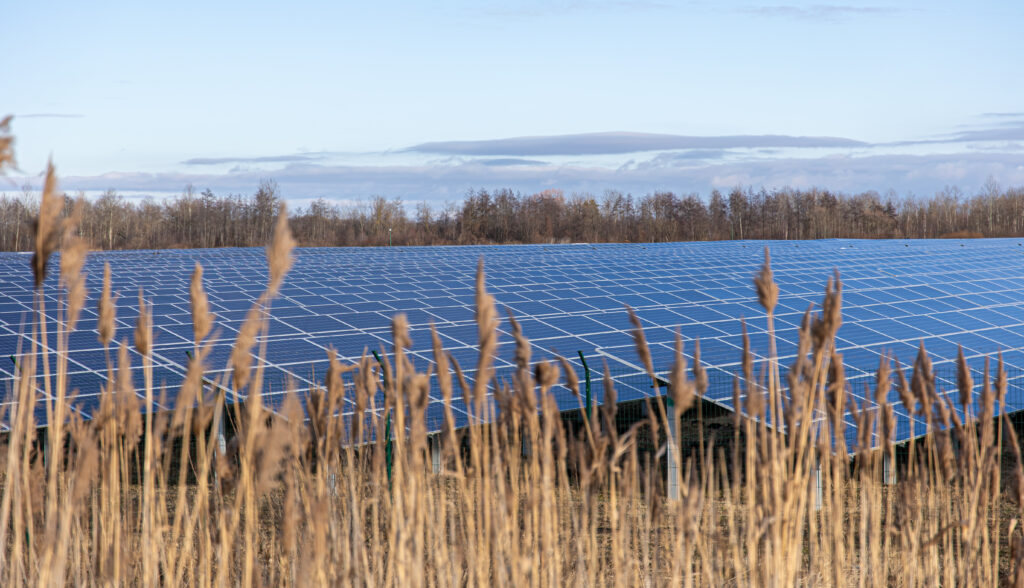
For much of modern history, energy systems have been built around large, centralized infrastructures. Power plants generate electricity in specific locations and distribute it across vast networks to reach homes, businesses, and industries. While this model has supported economic growth, it also comes with limitations, including transmission losses, vulnerability to disruptions, and dependence on fossil fuels.
As the energy transition accelerates, a different approach is gaining momentum. Decentralized energy systems shift generation closer to where energy is consumed, allowing communities to produce, manage, and even share their own power. This model not only improves efficiency, but also strengthens resilience and supports a more sustainable energy future.
Understanding decentralized energy systems
Decentralized energy systems are based on smaller, distributed sources of energy generation. These can include solar panels on rooftops, small wind turbines, local storage systems, and community microgrids. Instead of relying entirely on distant power plants, energy is produced and used at or near the point of consumption.
As a result, energy flows become more flexible and adaptive. Communities can reduce their dependence on centralized infrastructure while gaining greater control over their energy use.
Local generation and energy independence
Producing energy locally reduces transmission losses and increases efficiency. In addition, communities become less vulnerable to large-scale outages or supply disruptions. This is particularly important in remote or underserved areas, where access to reliable energy has historically been limited.
At the same time, local generation supports energy independence by reducing reliance on imported fuels and centralized providers. This creates a more secure and stable energy system.
Benefits for sustainability and resilience
Decentralized systems are closely linked to renewable energy adoption. Solar and wind technologies can be integrated directly into local systems, allowing clean energy to be generated and consumed within the same community.
Reducing environmental impact
By relying on renewable sources and reducing transmission distances, decentralized energy systems lower greenhouse gas emissions and overall environmental impact. In addition, they encourage more efficient energy use, as consumers become more aware of how and when energy is generated.
Strengthening community resilience
Decentralized systems also improve resilience by diversifying energy sources. If one part of the system fails, others can continue operating, reducing the risk of widespread outages. This flexibility is especially valuable in the face of extreme weather events and growing climate uncertainty.
Technology and innovation
Advances in digital technologies are playing a key role in enabling decentralized energy systems. Smart grids, sensors, and data analytics allow energy production and consumption to be monitored and managed in real time.
Energy storage systems further enhance flexibility by storing excess energy and making it available when needed. Together, these innovations create more efficient, responsive, and reliable local energy networks.
Challenges and future outlook
Despite their potential, decentralized energy systems face challenges related to regulation, infrastructure, and initial investment costs. Integrating distributed systems into existing grids requires coordination and updated policies that support local generation and energy sharing.
However, as technology improves and costs continue to fall, decentralized systems are expected to play an increasingly important role in the global energy transition.
Conclusion
Decentralized energy systems represent a shift toward a more flexible, resilient, and sustainable energy model. By bringing generation closer to consumption and empowering communities, they reduce environmental impact while improving energy security. In a world moving toward cleaner energy, local solutions may be key to building a truly sustainable future.