Introduction to AI in Sustainable Energy Management
Artificial Intelligence is transforming how we manage and optimize energy use. By leveraging advanced algorithms and machine learning, AI systems can analyze vast amounts of data, predict energy consumption patterns, and automate processes to ensure energy efficiency. This technology is not only improving the management of energy systems but also paving the way for a more sustainable future.
Predictive Maintenance in Energy Systems
AI’s ability to predict equipment failures before they occur is a game-changer in sustainable energy management. Predictive maintenance uses AI algorithms to analyze data from sensors and predict when machinery will fail or require maintenance. This proactive approach minimizes downtime, reduces maintenance costs, and ensures the continuous operation of energy systems.
Optimizing Renewable Energy Sources
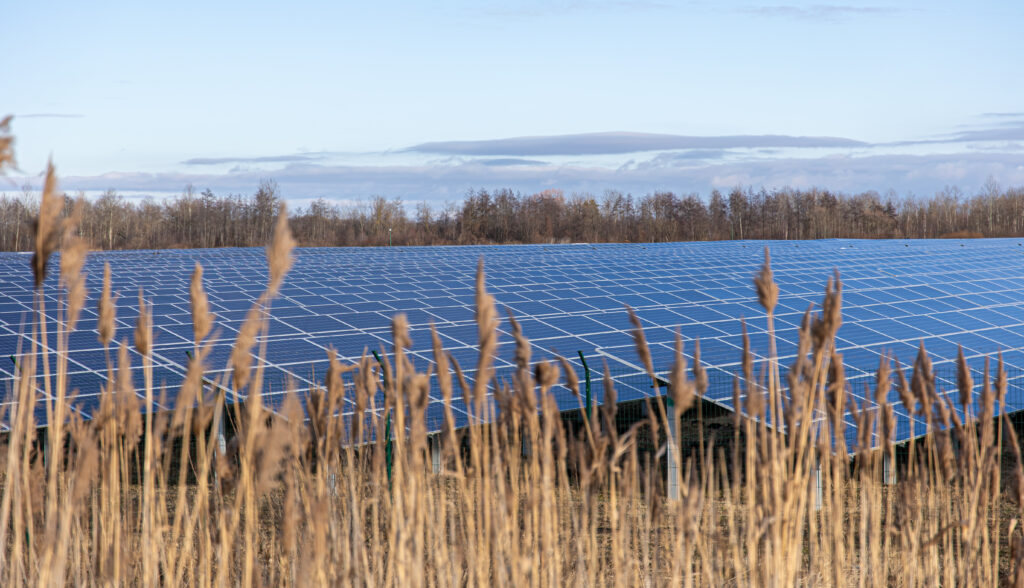
AI is instrumental in optimizing the use of renewable energy sources like solar and wind. These sources are inherently variable, but AI can predict their output with high accuracy. By analyzing weather patterns and historical data, AI helps in efficiently integrating renewable energy into the grid, reducing reliance on fossil fuels, and enhancing energy sustainability.
Energy Consumption Forecasting
Accurate energy consumption forecasting is essential for balancing supply and demand. AI excels in this area by analyzing historical consumption data, identifying trends, and predicting future energy needs. This capability helps energy providers optimize resource allocation, reduce waste, and plan for peak demand periods, ensuring a stable and efficient energy supply.
Enhancing Energy Storage Systems
Energy storage is crucial for managing the intermittent nature of renewable energy. AI improves the efficiency and capacity of energy storage systems by predicting energy storage needs, optimizing charging and discharging cycles, and preventing overuse. These enhancements enable better integration of renewable energy into the grid and ensure a reliable energy supply.
Smart Grids and AI Integration
The integration of AI in smart grids is a significant advancement in sustainable energy management. Smart grids use AI to monitor, analyze, and manage energy flows in real-time. This capability allows for better demand response, improved energy distribution, and enhanced resilience against outages. AI-driven smart grids are key to achieving a more sustainable and efficient energy infrastructure.
Demand Response Optimization
AI-driven demand response systems enable more efficient energy use by adjusting consumption based on real-time data. These systems analyze energy usage patterns and automatically reduce or shift consumption during peak periods. This optimization helps balance the grid, reduce energy costs for consumers, and decrease the need for additional power plants.
Reducing Carbon Footprint with AI
AI contributes to reducing the carbon footprint of energy systems in multiple ways. By optimizing energy use, predicting maintenance needs, and integrating renewable sources, AI helps lower greenhouse gas emissions. Additionally, AI-driven energy management systems can track and report carbon emissions, enabling better regulatory compliance and environmental stewardship.
AI in Energy Market Analysis
AI’s analytical capabilities extend to energy markets, where it can predict price trends, optimize trading strategies, and identify investment opportunities. This analysis helps energy companies make informed decisions, maximize profits, and promote the use of renewable energy sources. AI’s role in market analysis is crucial for a sustainable energy economy.

Case Studies of AI in Sustainable Energy
Numerous case studies demonstrate the effectiveness of AI in sustainable energy management. For instance, Google uses AI to reduce energy consumption in its data centers, achieving significant energy savings. Similarly, AI-driven wind farms have increased energy output by optimizing turbine performance. These examples highlight AI’s potential to transform energy management practices.
Challenges and Future Directions
Despite its potential, AI in sustainable energy management faces challenges such as data privacy concerns, high implementation costs, and the need for skilled professionals. Addressing these challenges requires collaborative efforts between governments, industries, and academia. Future research should focus on improving AI algorithms, enhancing data security, and reducing implementation barriers.
Conclusion
Artificial Intelligence is playing a pivotal role in advancing sustainable energy management. By optimizing energy use, integrating renewable sources, and enhancing system efficiency, AI contributes to a more sustainable and resilient energy future. Embracing AI technologies in energy management is essential for addressing global energy challenges and achieving environmental sustainability.