The need for battery recycling
Tackling waste in energy storage
Battery recycling: circular solutions for energy storage. As the demand for energy storage increases, so does the number of used batteries that reach the end of their life cycle. Without proper recycling, these batteries become hazardous waste, contributing to environmental pollution and resource depletion. The rapid growth of electric vehicles, renewable energy systems, and portable electronics has led to an unprecedented surge in battery consumption. If these batteries are not properly managed, they can release toxic chemicals into the environment, posing significant risks to human health and ecosystems. Recycling plays a crucial role in addressing these issues by recovering valuable materials and reducing the need for new raw material extraction.
Environmental impact of battery waste
Reducing toxic pollution and resource depletion
Discarded batteries can have severe environmental consequences. Many contain heavy metals and toxic substances such as lithium, lead, and cadmium, which can leach into soil and water if not disposed of correctly. This contamination can disrupt ecosystems, poison wildlife, and even enter the food chain. Additionally, the extraction of new battery materials requires extensive mining operations that contribute to habitat destruction, water shortages, and high carbon emissions. Recycling reduces the environmental footprint of battery production by recovering and reusing essential materials, thereby minimizing waste and lowering overall resource consumption.
Challenges in battery recycling
Overcoming technical and economic barriers
Battery recycling faces multiple challenges, both technical and economic. One of the primary difficulties is the complex composition of modern batteries, which makes material recovery a labor-intensive and expensive process. Lithium-ion batteries, widely used in electric vehicles and energy storage systems, contain a mixture of metals, electrolytes, and chemical compounds that require specialized recycling techniques. The lack of standardized recycling processes further complicates the situation, as different battery chemistries require different treatment methods. In addition to technical obstacles, the high cost of battery recycling remains a significant barrier to large-scale implementation. Without strong financial incentives or regulatory frameworks, many manufacturers and consumers opt for disposal over recycling, exacerbating the waste problem.
Advanced technologies for battery recycling
Innovations improving material recovery
Emerging technologies are transforming battery recycling by making it more efficient and sustainable. Hydrometallurgical processes, which use chemical solutions to extract valuable metals, have shown high recovery rates for lithium, cobalt, and nickel. Pyrometallurgical techniques, involving high-temperature processing, help break down complex battery materials and recover essential components. Direct recycling methods, which restore battery components for reuse without breaking them down into raw materials, are gaining traction as a cost-effective and environmentally friendly alternative. These innovations are crucial for improving recycling efficiency, reducing costs, and making energy storage systems more circular.
Second-life applications for used batteries
Extending battery life before recycling
Before reaching the recycling stage, many batteries can be repurposed for secondary applications. Even when their performance declines in high-demand settings like electric vehicles, they still retain enough energy capacity for less demanding uses. Reusing batteries in stationary energy storage systems, such as home solar energy storage or industrial backup power, extends their lifespan and maximizes resource efficiency. Repurposed batteries can also be used in microgrids, providing reliable energy access in remote areas. By prioritizing second-life applications, industries can reduce battery waste while making sustainable use of existing resources.
Economic benefits of battery recycling
Creating new markets and reducing costs
The economic advantages of battery recycling are becoming increasingly evident. Recovering valuable materials from used batteries helps lower production costs by reducing reliance on newly mined resources. The growing demand for lithium, cobalt, and nickel has made these metals more expensive, increasing the financial appeal of recycling. Additionally, recycling creates jobs in collection, processing, and material recovery industries, contributing to the expansion of a sustainable circular economy. Governments and businesses are beginning to recognize the economic potential of battery recycling, investing in facilities and technologies that make the process more profitable and efficient.
The role of policy and regulations
Government action to support recycling efforts
Strong regulations and government policies play a crucial role in promoting battery recycling. Many countries have implemented Extended Producer Responsibility (EPR) laws, requiring manufacturers to take responsibility for the end-of-life disposal of their batteries. Recycling quotas and material recovery targets ensure that a minimum percentage of used batteries are processed sustainably. Financial incentives, such as tax breaks and subsidies for recycling facilities, encourage companies to invest in sustainable waste management. By enforcing stricter regulations and supporting recycling initiatives, policymakers can drive the transition toward a circular battery economy.
Industry collaboration for circular solutions
Strengthening partnerships for sustainability
A sustainable battery recycling system requires collaboration between manufacturers, recyclers, policymakers, and consumers. Battery producers must design products with recyclability in mind, using standardized materials that facilitate easier disassembly and material recovery. Recycling companies need to develop scalable and cost-effective solutions that maximize efficiency while minimizing environmental impact. Governments must create regulatory frameworks that encourage investment in recycling infrastructure. Consumers also play a role by properly disposing of used batteries and supporting recycled products. By working together, these stakeholders can accelerate progress toward a more sustainable battery lifecycle.
Future trends in battery recycling
Innovations shaping the next generation
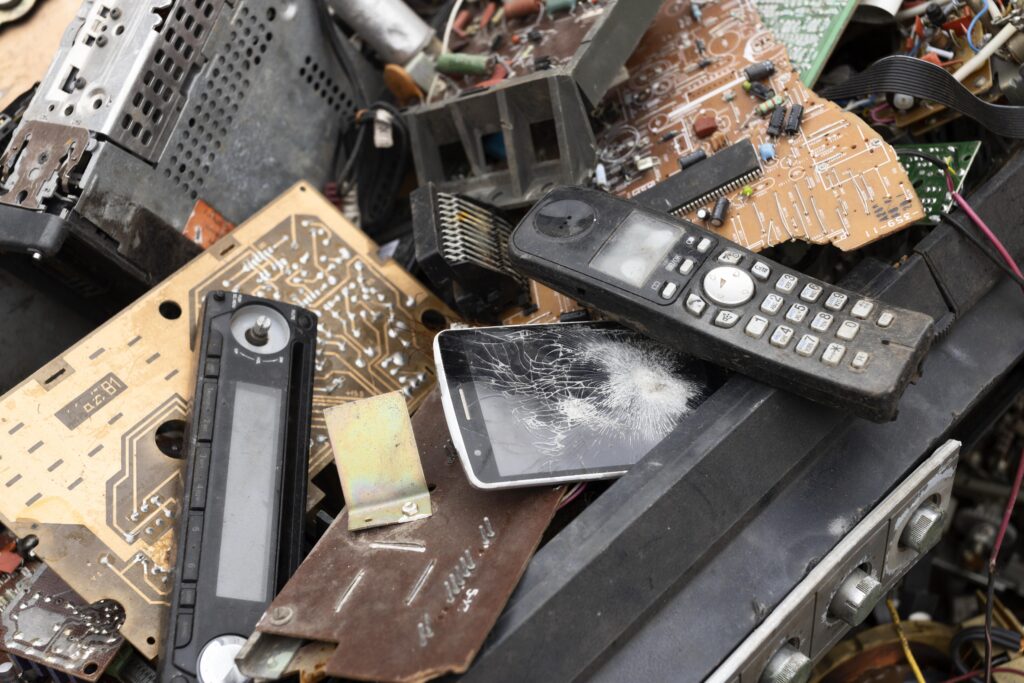
The future of battery recycling is being shaped by groundbreaking advancements in technology and sustainable design. Fully recyclable battery models are being developed to simplify the material recovery process. Artificial intelligence and automation are improving sorting and processing efficiency, making recycling faster and more cost-effective. Urban mining, which extracts valuable metals from discarded electronics and batteries, is emerging as an alternative to traditional mining. As these innovations continue to evolve, battery recycling will become more accessible, efficient, and environmentally friendly.
Towards a fully circular battery economy
Closing the loop in energy storage
Battery recycling: circular solutions for energy storage. A circular battery economy is essential for reducing waste, conserving natural resources, and ensuring long-term sustainability in energy storage. Designing batteries with recyclability in mind, investing in advanced recycling technologies, and enforcing strong regulations are all necessary steps toward this goal. Expanding second-life applications, improving material recovery processes, and fostering industry collaboration will help close the loop in battery production and disposal. By integrating these strategies, we can create a resilient and circular energy storage system that supports a cleaner, more sustainable future.