Introduction to Biogas and its importance
What is Biogas Breakthrough?
Biogas is a type of biofuel that is naturally produced from the decomposition of organic waste. When organic materials such as food scraps, animal manure, and agricultural waste break down in an anaerobic (oxygen-free) environment, they produce a mixture of gases, primarily methane (CH₄) and carbon dioxide (CO₂). This mixture is known as biogas.
The process of Biogas production
Anaerobic Digestion
The process of producing biogas is called anaerobic digestion. This biological process involves several stages:
- Hydrolysis: Complex organic molecules such as carbohydrates, proteins, and fats are broken down into simpler molecules like sugars, amino acids, and fatty acids.
- Acidogenesis: The simpler molecules are further broken down by acidogenic bacteria, producing volatile fatty acids, ammonia, hydrogen, and carbon dioxide.
- Acetogenesis: The volatile fatty acids are converted into acetic acid, hydrogen, and carbon dioxide by acetogenic bacteria.
- Methanogenesis: Methanogenic bacteria convert acetic acid, hydrogen, and carbon dioxide into methane and water, resulting in the production of biogas.
Feedstock for Biogas Breakthrough production
Biogas can be produced from various organic materials known as feedstock. Common feedstocks include:
- Agricultural waste (crop residues, animal manure)
- Food waste
- Sewage sludge
- Industrial organic waste (food processing waste)
- Municipal solid waste (organic fraction)
 Benefits of Biogas Breakthrough
Renewable energy source
Biogas is a renewable source of energy that can be continuously produced as long as organic waste is available. Unlike fossil fuels, biogas production does not deplete finite resources.
Waste management
One of the most significant advantages of biogas is its role in waste management. By converting organic waste into biogas, we can significantly reduce the volume of waste that ends up in landfills, thus minimizing environmental pollution.
Reduction of greenhouse gas emissions
Biogas production helps in mitigating greenhouse gas emissions. Methane, a potent greenhouse gas, is captured and utilized in biogas systems rather than being released into the atmosphere from decomposing organic waste.
Energy security
Biogas contributes to energy security by providing a local source of energy that can reduce dependence on imported fossil fuels. This is particularly beneficial for rural and remote areas.
Economic benefits
Biogas production can create economic opportunities, especially in rural areas. It generates jobs in the construction, operation, and maintenance of biogas plants. Additionally, the digestate, a byproduct of biogas production, can be used as a nutrient-rich fertilizer, reducing the need for chemical fertilizers.
Applications of Biogas Breakthrough
Electricity generation
Biogas can be used to generate electricity through biogas generators. This electricity can power homes, businesses, and industries, providing a reliable and sustainable energy source.
Heat production
Biogas can be used for heating purposes in residential, commercial, and industrial settings. It can be burned directly in boilers or used in combined heat and power (CHP) systems to produce both electricity and heat.
Vehicle fuel
Biogas can be purified and upgraded to biomethane, a renewable natural gas equivalent, which can be used as a vehicle fuel. Biomethane can power cars, buses, and trucks, reducing reliance on conventional fossil fuels.
Cooking fuel
In many developing countries, biogas is used as a clean cooking fuel. It can replace traditional biomass fuels like wood and charcoal, improving indoor air quality and reducing deforestation.
Case Studies: Successful Biogas projects
India’s Biogas revolution
India has been a pioneer in adopting biogas technology, particularly in rural areas. The National Biogas and Manure Management Programme (NBMMP) has facilitated the installation of millions of biogas plants across the country. These small-scale biogas plants provide clean cooking fuel and organic fertilizer, improving the livelihoods of rural households.
Sweden’s Biogas bus fleet
Sweden has one of the world’s largest biogas bus fleets. Cities like Stockholm and Linköping use biogas to power public transportation buses, significantly reducing urban air pollution and greenhouse gas emissions.
Challenges and solutions in Biogas Breakthrough production
Technical challenges
Biogas production faces several technical challenges, including feedstock variability, process optimization, and biogas purification. Advances in biotechnology and engineering are addressing these issues, making biogas systems more efficient and reliable.
Economic viability
The initial investment for biogas plants can be high, and the economic viability depends on various factors such as feedstock availability, market conditions, and policy support. Governments and organizations are offering subsidies and incentives to promote biogas adoption.
Policy and regulatory framework
Supportive policies and regulatory frameworks are crucial for the growth of the biogas sector. Clear guidelines, financial incentives, and favorable tariffs can encourage investment and development in biogas projects.
Future prospects of Biogas Breakthrough
The future of biogas looks promising with advancements in technology and growing awareness of its benefits. Innovations in anaerobic digestion, biogas upgrading, and integrated waste management systems are expected to enhance the efficiency and scalability of biogas production.
Integration with other renewable energy sources
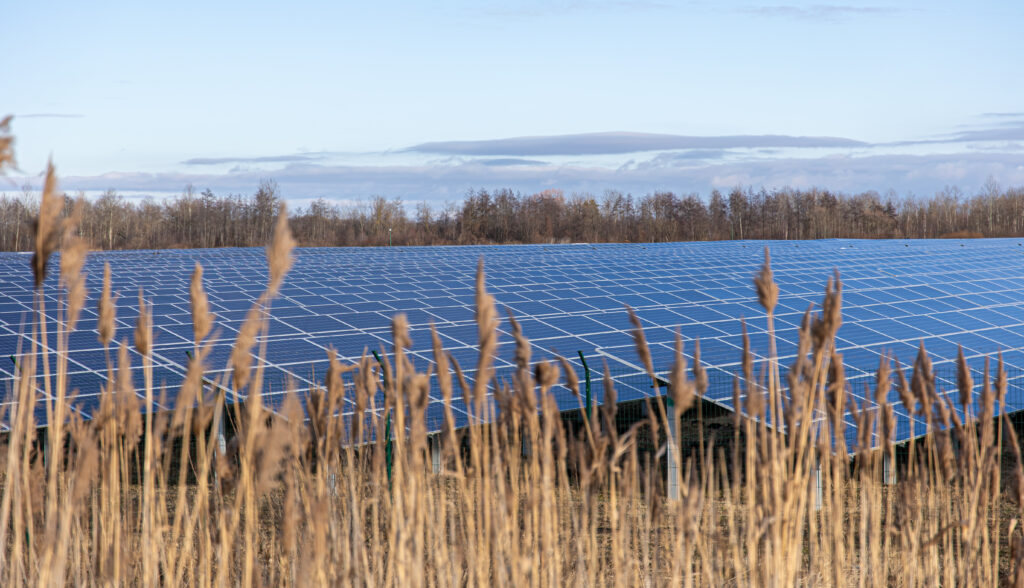
Biogas can complement other renewable energy sources such as solar and wind power. Hybrid systems that combine biogas with solar or wind energy can provide a stable and reliable energy supply, addressing the intermittency issues of these renewable sources.
Expansion in urban areas
Urban areas generate significant amounts of organic waste, presenting a substantial opportunity for biogas production. Municipal biogas plants can convert this waste into energy, contributing to sustainable urban development.
Conclusion
Biogas represents a significant breakthrough in the renewable energy sector. By transforming organic waste into valuable energy, biogas offers a sustainable solution to waste management, energy security, and environmental protection. With continued research, supportive policies, and community engagement, biogas has the potential to play a crucial role in the global transition to a cleaner and more sustainable energy future.