Circular business models: from ownership to service-based systems
For decades, economic value has been closely tied to ownership. Products were designed to be sold, used, and eventually replaced, while responsibility for maintenance, repair, and disposal shifted almost entirely to the consumer. Over time, this linear logic shaped not only how companies operate, but also how people relate to goods in their daily lives. However, as environmental pressures intensify and resource constraints become increasingly visible, this traditional model is starting to show clear limitations. Circular business models offer an alternative by redefining value creation around access, performance, and long-term use rather than simple ownership.
At the center of this transition lies a fundamental change in perspective. Instead of asking how many products can be sold, circular business models focus on how much value a product can deliver over time. In this context, service-based systems place durability, maintenance, and reuse at the core of business strategy, aligning economic incentives with sustainability outcomes in a way that ownership-based models rarely achieve.
Understanding circular business models
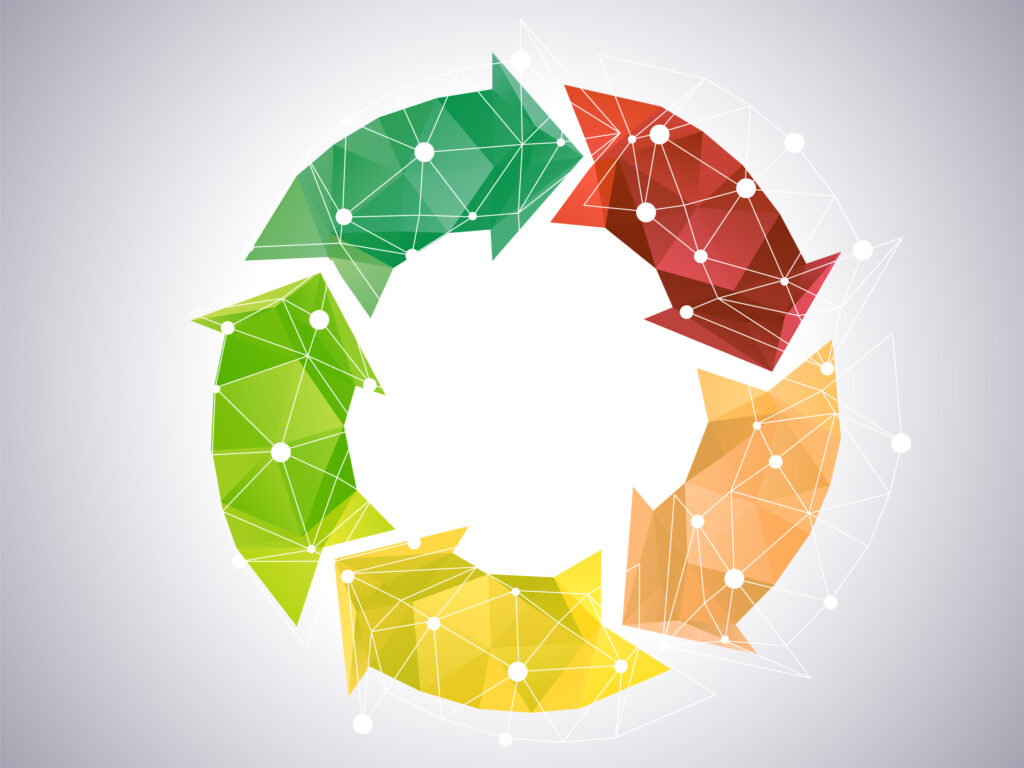
Circular business models are designed to keep products, materials, and resources in use for as long as possible. Rather than prioritizing volume and rapid turnover, they aim to preserve value by extending product lifecycles, reducing waste, and minimizing the need for virgin materials. As a result, continuity, reliability, and long-term relationships with users become central elements of success.
From selling products to delivering services
The shift from ownership to service-based systems significantly changes the role of both companies and consumers. When users pay for access or performance instead of possession, products become platforms for ongoing value delivery. In practice, companies often retain ownership, which naturally encourages them to design products that are robust, repairable, and easy to upgrade. Consequently, products evolve from disposable goods into long-term assets.
Redefining value and responsibility
At the same time, service-based systems redistribute responsibility across the value chain. Maintenance, repair, and end-of-life management are no longer externalized costs but essential components of the business model. Because of this, companies are incentivized to prioritize resource efficiency and quality, as their economic performance depends on how well products function over time rather than how quickly they are replaced.
Why ownership-based models are reaching their limits
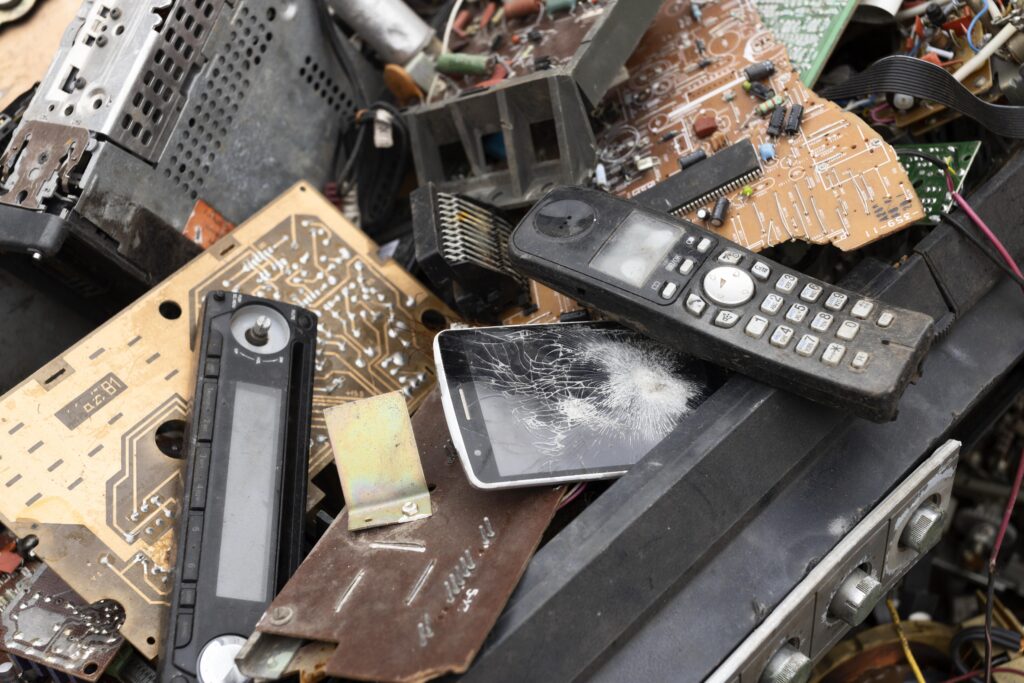
Ownership-driven consumption has delivered convenience and variety, yet it has also accelerated material throughput and waste generation. In many cases, products are underused, poorly maintained, and discarded long before their technical lifespan ends. This inefficiency represents a substantial loss of embedded energy, labor, and materials that could otherwise be preserved.
From the consumer’s perspective, ownership can also become a burden. Maintenance costs, storage requirements, and the risk of obsolescence all fall on the user. In contrast, service-based models respond to these challenges by offering flexibility and reliability while reducing the environmental footprint associated with excessive production.
Service-based systems in practice
Across multiple sectors, service-based circular models are already demonstrating their potential. From mobility and energy to electronics and industrial equipment, these systems show how access can effectively replace ownership without compromising functionality or convenience.
Product-as-a-service and performance models
Within product-as-a-service models, customers pay for the function a product provides rather than the product itself. This approach encourages manufacturers to optimize performance, reliability, and longevity. Since companies remain responsible for maintenance and upgrades, products are intentionally designed to be modular and durable, supporting continuous improvement instead of planned obsolescence.
Sharing, leasing, and subscription systems
In addition, shared and subscription-based systems maximize utilization rates by allowing multiple users to benefit from the same product over time. As a consequence, fewer products are needed to meet demand while maintaining service quality. When implemented thoughtfully, these models can significantly lower material consumption and emissions while offering users greater flexibility.
Design and innovation for circular services
Designing products for multiple life cycles
Service-based systems require products that can withstand repeated use, maintenance, and refurbishment. For this reason, design decisions must account for disassembly, component replacement, and adaptability to changing user needs. Over time, products become dynamic systems rather than static objects, evolving instead of being discarded.
Digital tools enabling circularity
Digital technologies also play a crucial role in enabling service-based models. Through sensors, data analytics, and connectivity, companies can monitor performance, predict maintenance needs, and optimize resource use. As a result, efficiency improves while trust between providers and users is strengthened.
Business and environmental benefits
Circular service-based models offer greater resilience in an increasingly volatile global economy. By reducing dependence on raw material extraction and price fluctuations, companies gain better control over costs and supply chains. Moreover, long-term customer relationships replace one-time transactions, creating more stable revenue streams and deeper brand loyalty.
From an environmental perspective, these models help reduce waste, lower emissions, and preserve natural resources. Ultimately, by aligning profitability with product longevity, circular business models demonstrate that sustainability and economic performance can reinforce each other.
Challenges and barriers to adoption
Despite their advantages, circular service-based systems still face cultural, organizational, and regulatory barriers. Many consumers remain accustomed to ownership and may initially perceive access-based models as unfamiliar. Likewise, companies must adapt internal processes, accounting methods, and design strategies to support long-term responsibility.
In this context, policy frameworks play a critical role. Supportive regulations, clear standards, and incentives for circular innovation can significantly accelerate the adoption of service-based models and ensure fair competition.
The future of circular business models
As resource constraints tighten and sustainability expectations continue to rise, circular business models are likely to move from niche experiments to mainstream strategies. Service-based systems provide a practical pathway to reducing environmental impact while maintaining economic vitality. More importantly, they challenge long-standing assumptions about ownership and redefine success around longevity, performance, and shared value.
Conclusion
Circular business models represent more than a shift in how products are sold. They reflect a broader transformation in how value is created, delivered, and preserved over time. By moving from ownership to service-based systems, businesses can reduce waste, increase resilience, and contribute to a more sustainable economy. In a world of finite resources, prioritizing use over ownership may be one of the most effective ways to build a truly circular future.