Decarbonizing transportation: the rise of electric and hydrogen vehicles
Understanding the climate urgency behind decarbonizing mobility systems
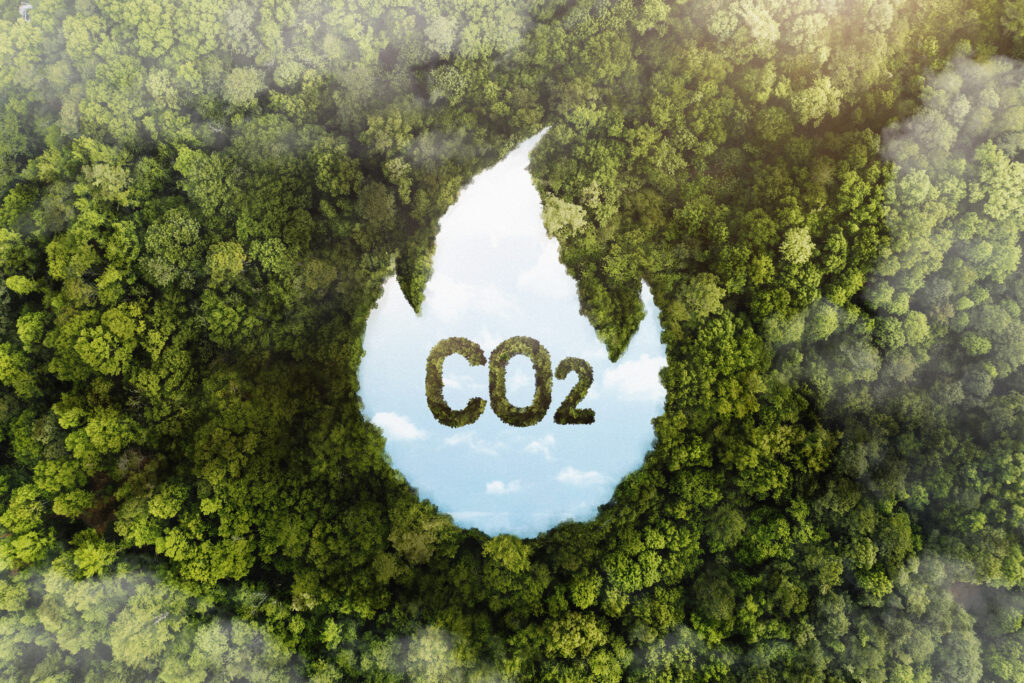
The global transportation sector is at the heart of the climate crisis. Responsible for approximately 23% of global CO₂ emissions, it’s one of the most polluting sectors due to its heavy reliance on petroleum-based fuels. Cars, trucks, airplanes, trains, and ships contribute not only to global warming but also to urban air pollution, respiratory illnesses, and environmental degradation.
Decarbonizing this sector is now a global priority. Governments, industries, and citizens are pushing for a new transportation paradigm that is cleaner, quieter, and more sustainable. At the forefront of this transformation are electric vehicles (EVs) and hydrogen fuel cell vehicles (FCEVs), two promising technologies that offer pathways toward zero-emissions mobility.
Electric vehicles: powering the road toward sustainability
Battery innovation and charging infrastructure are changing the game
Electric vehicles have come a long way since their early prototypes. The evolution of lithium-ion battery technology has dramatically increased driving ranges, shortened charging times, and lowered costs, making EVs more accessible to a broader population. Major car manufacturers—such as Tesla, Volkswagen, and BYD—are rapidly expanding their electric fleets, and dozens of new EV models are expected in the coming years.
At the same time, countries are investing heavily in charging infrastructure. Urban centers, parking lots, highway rest areas, and even workplaces are installing Level 2 and DC fast chargers to support everyday EV users. This rapid deployment is reducing «range anxiety» and making electric driving viable not only in cities but also on longer trips and in rural areas.
Reducing emissions and reshaping urban environments
One of the primary environmental benefits of electric vehicles is the elimination of tailpipe emissions. While the full carbon footprint of an EV depends on how the electricity is generated, the shift to renewable energy sources like solar and wind is making EVs increasingly climate-neutral. In cities, the use of EVs significantly improves air quality and reduces noise pollution, creating healthier and more livable environments.
Beyond individual car ownership, electric mobility is transforming public transportation and logistics. Electric buses, e-bikes, and electric delivery vans are becoming common in urban centers, helping to reduce congestion and environmental impact in densely populated areas.
Hydrogen vehicles: unlocking clean mobility for heavy transport
How hydrogen fuel cells work and why they matter
Hydrogen fuel cell electric vehicles (FCEVs) use a chemical reaction between hydrogen and oxygen to produce electricity onboard the vehicle. The only emission is water vapor. This technology is particularly promising for use cases where battery-electric solutions fall short—such as long-haul trucks, freight trains, marine vessels, and aviation.
One of hydrogen’s key advantages is the short refueling time, similar to that of gasoline or diesel. In addition, hydrogen tanks can provide longer ranges than many battery-electric systems, especially for large vehicles with heavy loads. These features make hydrogen a vital component in the broader strategy to decarbonize all forms of transport.
Current limitations and the path toward clean hydrogen
Despite its potential, hydrogen faces significant barriers to mass adoption. Producing hydrogen from fossil fuels—so-called “gray hydrogen”—negates many of its climate benefits. For hydrogen to be truly clean, it must be produced through electrolysis using renewable energy sources, a process still expensive and limited in scale.
Moreover, the lack of widespread hydrogen refueling infrastructure is a major challenge. Unlike EV charging stations, hydrogen stations are rare and often concentrated in pilot regions. Large investments in hydrogen production, storage, and distribution systems are required to unlock its full potential. Still, countries like Japan, Germany, and South Korea are investing heavily in hydrogen strategies, indicating that momentum is building.
Policy, innovation and behavior: the three pillars of sustainable transport transition
The role of government incentives and global commitments
Policy is a critical driver of decarbonization. Many governments have implemented tax breaks, subsidies, and zero-emission mandates to accelerate the shift to cleaner vehicles. For example, the European Union has set ambitious targets to phase out combustion engines by 2035, while the U.S. is investing billions in EV infrastructure through the Inflation Reduction Act.
At the same time, international collaborations are shaping new fuel standards, battery recycling laws, and green hydrogen roadmaps. These policies create the necessary conditions for private sector investment and consumer confidence.
Consumer habits and cultural shifts are also key
The transition to sustainable mobility is not only technological or political—it’s also social. Urban planning, remote work, car sharing, and cycling infrastructure are changing how people think about transportation. Millennials and Gen Z are more likely to prioritize environmental concerns when choosing how to travel, pushing industries to innovate in ways that reflect these values.
Education and public awareness campaigns will continue to play a vital role in ensuring the long-term adoption of clean transport solutions, from personal EVs to green public transport systems.
Conclusion: the road ahead for electric and hydrogen-powered transportation
The decarbonization of transportation is one of the most ambitious and urgent challenges of our time. Electric vehicles and hydrogen fuel cell technologies offer complementary solutions to reduce emissions across all modes of transport. While EVs are currently leading the charge in urban and light-duty segments, hydrogen will be essential for decarbonizing freight, aviation, and long-distance travel.
To fully realize a zero-emissions future, we must support innovation, expand infrastructure, invest in renewable energy, and foster behavioral change. The road ahead is long, but with sustained commitment, the rise of electric and hydrogen vehicles will pave the way for a cleaner, healthier and more resilient planet.