Desalination technology: a sustainable solution for water scarcity
Introduction: addressing global water scarcity with innovative solutions
Why desalination matters more than ever
Water scarcity is one of the most pressing challenges of the 21st century. With growing populations, urban expansion, and the intensification of climate change, freshwater resources are under severe stress. Desalination technology, which converts seawater into drinkable water, emerges as a reliable and increasingly sustainable solution. Unlike traditional freshwater sources, oceans provide a vast and consistent supply. This makes desalination a key player in long-term water security strategies.
How modern desalination works: from saltwater to safe drinking water
The core processes behind seawater treatment
Modern desalination technologies rely primarily on two methods: thermal distillation and membrane-based reverse osmosis. Thermal distillation mimics the natural water cycle, heating seawater until it evaporates and then condenses it into freshwater. Reverse osmosis, the most widely used method today, uses high-pressure membranes to filter salt and other impurities from seawater. These processes have become more energy-efficient and cost-effective over the past two decades, making desalination increasingly accessible to regions facing chronic water shortages.
Environmental concerns and sustainable improvements in desalination
Reducing the energy footprint and brine discharge
Historically, desalination has been criticized for its high energy use and environmental impact, especially due to the discharge of concentrated salt brine into the ocean. However, recent innovations are mitigating these effects. Solar-powered desalination plants and energy recovery systems are significantly cutting down emissions. Additionally, research into brine management—including reuse in industrial applications and mineral recovery—is helping to reduce ecological disruption and move toward a circular approach in water treatment.
Key global players adopting desalination technology
Successful examples in arid regions and coastal cities
Countries like Saudi Arabia, Israel, and Australia have made desalination a cornerstone of their water supply strategies. In the Middle East, large-scale desalination plants provide most of the drinking water for urban populations. In California and Spain, coastal cities are also adopting desalination to reduce dependency on overdrawn rivers and aquifers. These case studies show how scalable and effective desalination can be when integrated with broader water management strategies and powered by renewable energy sources.
Economic viability of desalination for developing nations
Bridging affordability and infrastructure gaps
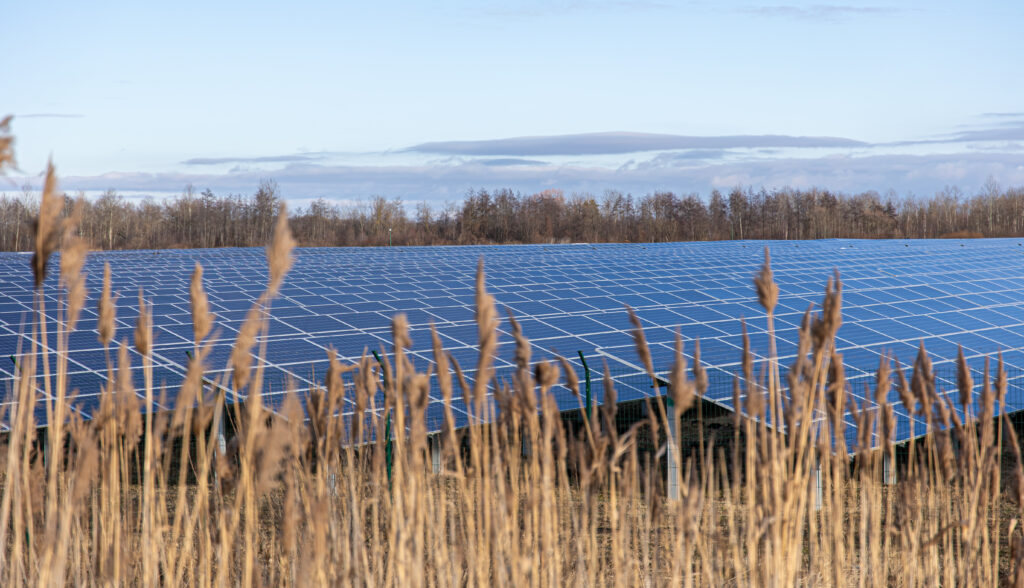
One of the biggest challenges facing desalination is its initial cost and infrastructure requirements. For developing countries, the financial burden can be a major obstacle. Nevertheless, the decreasing cost of renewable energy and mobile desalination units is beginning to close the gap. Modular systems powered by solar panels or wind energy are being deployed in remote or underserved areas, bringing clean water to communities without access to traditional water grids.
Integration of desalination into circular water systems
Reuse, recycling, and long-term sustainability
Desalination doesn’t have to stand alone. When integrated into a broader circular water system that includes water recycling, rainwater harvesting, and demand management, desalination can enhance water resilience without overburdening natural ecosystems. For example, treated brine can be used in construction, agriculture, or mineral recovery. Pairing desalination with greywater reuse can also maximize efficiency and minimize environmental impact.
Technological innovations shaping the future of desalination
From nanotechnology to AI-driven optimization
Desalination is undergoing rapid innovation. Nanomaterials are being developed to enhance membrane performance and durability, making filtration faster and less energy-intensive. Meanwhile, artificial intelligence is being used to monitor and optimize operations in real-time, reducing costs and water waste. These advancements are transforming desalination from an expensive emergency solution into a mainstream sustainable water source.
Public perception and policy support
Raising awareness and creating supportive frameworks
Despite its potential, desalination often faces public resistance due to misconceptions about cost, energy use, and environmental harm. Education campaigns and transparent policy frameworks are essential to build public trust. Governments also play a key role in subsidizing sustainable desalination technologies, setting emissions standards, and integrating desalination into national water planning.
Desalination and climate change adaptation
Building resilient communities in a warming world
As climate change intensifies droughts and reduces rainfall, desalination offers a dependable water source that isn’t dependent on weather conditions. This makes it an essential component of climate adaptation strategies, especially in regions vulnerable to desertification or glacial loss. Resilient water infrastructure, powered by renewable energy and supported by smart governance, can shield communities from the unpredictable impacts of climate change.
Conclusion: desalination as a pillar of sustainable water management
Moving toward a circular, secure, and climate-resilient future
Desalination technology, once seen as an expensive last resort, is becoming an integral part of the global water solution. With advancements in energy efficiency, environmental management, and system integration, desalination is now a key player in achieving sustainable water access. By embracing circular design and innovation, we can ensure that every drop counts—securing a future where water scarcity is no longer a barrier to development or well-being.