Global efficiency has become more critical than ever in a world grappling with the challenges of climate change and resource depletion. As the demand for energy continues to rise, the need for innovative solutions that enhance efficiency has taken center stage. This blog explores the key innovations that are paving the way towards a more energy-efficient world.
Introduction: The Imperative of Global Efficiency
The global demand for energy has witnessed an unprecedented surge, driven by population growth, industrialization, and technological advancements. However, this surge comes at a cost – environmental degradation and the depletion of finite resources. As the world collectively faces the consequences of climate change, the urgency to transition towards a more sustainable and energy-efficient future has become paramount.
1. Smart Grids: Revolutionizing Energy Distribution
One of the groundbreaking innovations in the realm of energy efficiency is the development of smart grids. Traditional power grids are being replaced by intelligent, interconnected systems that optimize the generation, distribution, and consumption of energy. Smart grids leverage advanced sensors, communication networks, and data analytics to enhance efficiency, reduce wastage, and accommodate the integration of renewable energy sources.
2.Global Efficiency: Renewable Energy Integration
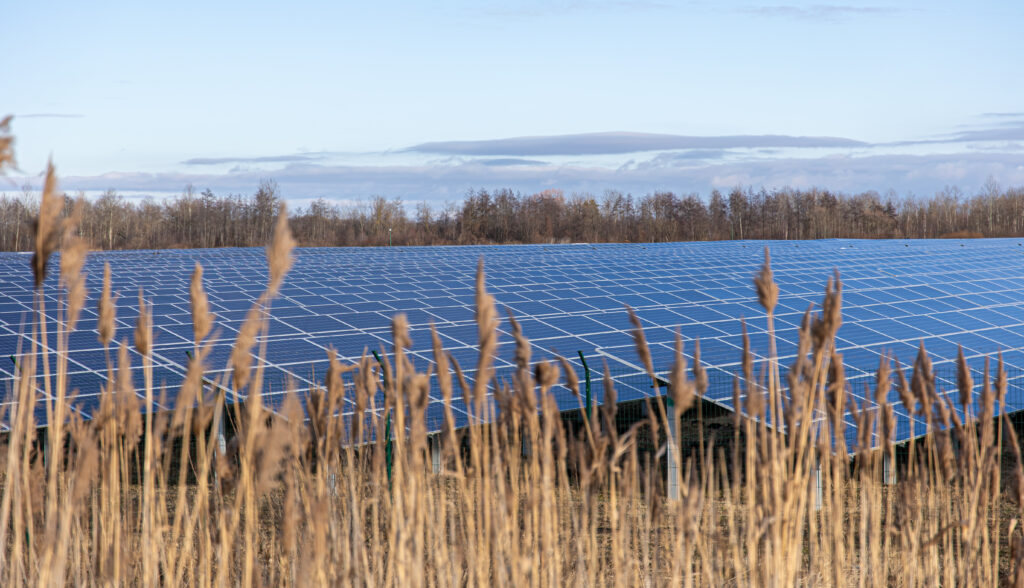
The shift towards renewable energy sources, such as solar, wind, and hydropower, is a cornerstone in the pursuit of global efficiency. Technological advancements in renewable energy infrastructure have made these sources more accessible and cost-effective. Additionally, innovations in energy storage solutions, like advanced batteries, facilitate the effective harnessing and utilization of renewable energy, even during intermittent periods.
3. Energy-Efficient Buildings: The Rise of Green Architecture
Buildings are significant consumers of energy, and the construction industry plays a pivotal role in influencing global energy efficiency. Green architecture focuses on creating sustainable, energy-efficient structures through the use of environmentally friendly materials, energy-efficient lighting, and smart building management systems. Innovations in building design and construction techniques contribute to reduced energy consumption and lower carbon footprints.

4.Internet of Things (IoT) in Energy Management
The Internet of Things (IoT) has revolutionized various industries, and its application in energy management is no exception. IoT devices enable real-time monitoring and control of energy-consuming devices, allowing for optimized usage patterns. Smart thermostats, energy-efficient appliances, and intelligent lighting systems are examples of IoT applications that contribute to a more energy-efficient world.
5. Global Efficiency in Electric Vehicles: Redefining Transportation Efficiency
The transportation sector is a major contributor to global energy consumption and carbon emissions. The advent of electric vehicles (EVs) represents a paradigm shift towards sustainable and energy-efficient transportation. Ongoing advancements in battery technology, charging infrastructure, and the integration of renewable energy sources into the charging process are propelling the widespread adoption of electric vehicles.
6. Global Efficiency in Energy-Efficient Industrial Processes
Industries are significant consumers of energy, and optimizing industrial processes is crucial for achieving global efficiency. Innovations such as energy-efficient machinery, waste heat recovery systems, and process optimization through artificial intelligence contribute to reducing energy consumption in manufacturing and other industrial activities. Additionally, the circular economy concept promotes the reuse and recycling of materials, further enhancing efficiency.
7. Sustainable Agriculture and Food Systems
Agriculture and food production are often overlooked contributors to energy consumption and environmental impact. Sustainable farming practices, precision agriculture technologies, and the use of renewable energy in food production are emerging trends that contribute to energy efficiency in the agricultural sector. By adopting eco-friendly farming methods, reducing waste, and optimizing supply chains, the food industry can play a vital role in building a more sustainable future.
Conclusion: A Sustainable Tomorrow
The journey towards a more energy-efficient world requires concerted efforts, technological advancements, and global collaboration. The innovations discussed here represent a glimpse into the transformative changes shaping our energy landscape. As we continue to embrace these advancements and advocate for sustainable practices, we move one step closer to creating a world where efficiency and environmental stewardship go hand in hand, paving the way for a brighter and more sustainable tomorrow.