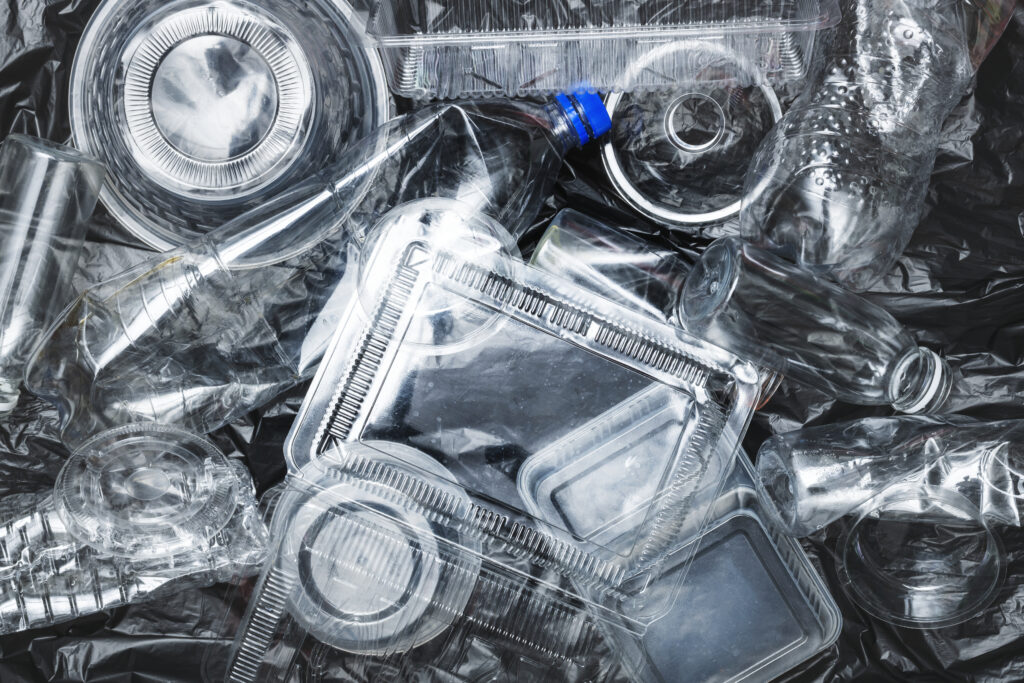
What is industrial symbiosis? from waste to resources
The foundation of industrial collaboration for waste reduction
Industrial symbiosis involves industries exchanging by-products, waste, and excess resources to minimize waste, cut costs, and improve sustainability. It turns one industry’s waste into another’s resource, benefiting both businesses and the environment. The concept promotes economic growth, reduces reliance on new materials, and drives innovation in sustainable practices.
Environmental benefits: Reducing waste and emissions
Lowering environmental impact through shared resources
By adopting industrial symbiosis, industries significantly reduce their waste output and carbon emissions. The practice of reusing and recycling by-products prevents waste from entering landfills and helps decrease pollution levels. As a result, companies can help fight climate change, conserve natural resources, and create eco-friendly production systems.
Economic gains through resource efficiency
Saving money and boosting productivity with collaborative practices
Industrial symbiosis not only benefits the environment but also offers substantial economic advantages. By sharing resources, such as materials, energy, and water, industries reduce costs and improve productivity. These cost savings come from purchasing fewer raw materials, lowering waste disposal expenses, and using energy more efficiently.
Energy sharing: Turning waste into power
Utilizing excess energy for increased efficiency
One of the most effective aspects of industrial symbiosis is energy sharing. Surplus energy, such as heat, steam, or electricity, generated by one company can be shared with nearby industries that need it. This exchange of energy helps reduce reliance on external power sources, lower costs, and decrease carbon emissions, making energy use more sustainable.
Water efficiency: Closing the loop in water use
Optimizing water resources through industrial collaboration
Water is an essential resource in industrial processes, and industrial symbiosis aims to maximize its use. By reusing wastewater and sharing water resources, industries can significantly reduce water consumption. Practices such as water recycling, rainwater harvesting, and shared cooling systems help conserve water, ensuring its availability for future generations while lowering operational costs.
Waste to value: Transforming by-products into marketable goods
Innovative recycling methods that turn waste into profit
In industrial symbiosis, waste is not just discarded—it is transformed into valuable products. By repurposing by-products, industries can create new marketable goods, from building materials to biodegradable plastics. This reduces waste and encourages the development of new products, driving a circular economy that focuses on sustainability and long-term resource efficiency.
Reducing carbon footprints through collaboration
Fighting climate change with shared sustainable practices
Industrial symbiosis contributes to climate change mitigation by lowering the carbon footprint of industries. By sharing energy, reducing waste, and optimizing resources, industries can collectively reduce their greenhouse gas emissions. This helps meet global sustainability goals and makes industries more resilient to the impacts of climate change.
Creating a sustainable supply chain
Building a circular economy through industry collaboration
By integrating industrial symbiosis into their supply chains, businesses can create more sustainable and resilient systems. Instead of relying on virgin resources, companies collaborate to create a closed-loop supply chain where materials are reused, waste is minimized, and environmental impact is reduced. This collaborative model strengthens the entire supply chain and makes it more adaptive to future challenges.
The role of technology in industrial symbiosis
How innovation is driving resource optimization
Technology plays a critical role in industrial symbiosis by optimizing the exchange of resources between industries. Advanced technologies such as data analytics, IoT sensors, and automation help industries monitor resource flows, track waste streams, and predict supply and demand. These innovations enable industries to operate more efficiently, reduce waste, and improve the sustainability of their operations.
Case studies: Successful examples of industrial symbiosis
Learning from real-world applications of symbiosis
Numerous companies around the world have successfully implemented industrial symbiosis to reduce waste, save costs, and increase sustainability. Case studies highlight how businesses in various sectors, from manufacturing to energy production, have collaborated to create resource-efficient solutions. These real-world examples serve as models for other industries looking to adopt similar practices.
conclusion
Discover how industrial symbiosis is reducing waste and promoting sustainability by turning waste into valuable resources, benefiting industries and the environment.
Industrial symbiosis is a key strategy in the transition to a circular economy. By turning waste into resources, industries can reduce their environmental impact, lower costs, and improve efficiency. As more industries adopt these practices, industrial symbiosis will continue to play a pivotal role in promoting sustainability and reducing our collective carbon footprint.