In recent years, there has been a significant surge in interest in alternative energy sources, driven by concerns about climate change and the finite nature of traditional fossil fuels. One such alternative gaining traction is mini-hydropower, a form of small-scale energy generation that harnesses the power of water to produce electricity. In this guide, we will explore the rise of mini-hydropower, its benefits, challenges, and its potential to contribute to a more sustainable future.
Understanding Mini-Hydropower
What is Mini-Hydropower?
Mini-hydropower refers to small-scale hydroelectric systems that typically generate between 100 kilowatts (kW) and 1 megawatt (MW) of electricity. Unlike large-scale hydropower plants that require massive dams and reservoirs, these systems can be built on small rivers or streams, often without the need for significant infrastructure.
How Does it Work?
These systems work on the same principle as traditional hydropower plants, converting the kinetic energy of flowing water into electrical energy. Water flowing through a turbine connected to a generator spins the turbine blades, which then generates electricity. These systems can operate continuously, providing a reliable source of renewable energy.
Benefits of Mini-Hydropower
Renewable and Clean Energy Source
One of the primary advantages of mini-hydropower is that it relies on the natural flow of water, making it a renewable and clean energy source. Unlike fossil fuels, which produce greenhouse gas emissions and contribute to climate change, hydropower generates electricity without producing harmful pollutants.
Low Environmental Impact with Mini-Hydropower
This systems typically have a minimal environmental footprint compared to large-scale hydropower projects. They often require smaller dams or diversion structures, which means less disruption to river ecosystems and aquatic habitats. Additionally, mini-hydropower systems can be designed to minimize fish mortality and maintain water quality.
Reliable and Predictable
Water flow is relatively predictable compared to other renewable energy sources like wind and solar. Mini-hydropower systems can provide a steady and reliable source of electricity, making them ideal for communities or industries that require consistent power generation.
Local Economic Development
Investing in mini-hydropower projects can stimulate local economies by creating jobs during construction and operation phases. Additionally, these projects can provide a source of revenue for landowners or communities through power sales or leasing agreements.
Challenges and Considerations
High Initial Costs
While this systems offer numerous benefits, they often require significant upfront investment for design, permitting, and construction. The cost of building infrastructure such as dams, turbines, and transmission lines can be prohibitive for small-scale developers or communities with limited financial resources.
Environmental Concerns with Mini-Hydropower
Despite their relatively low environmental impact compared to large-scale hydropower projects, mini-hydropower systems can still have ecological consequences. Damming rivers or diverting water flow can disrupt natural habitats, affect fish migration patterns, and alter downstream ecosystems. Careful site selection and environmental impact assessments are crucial to mitigating these concerns.
Regulatory Hurdles
Navigating the regulatory landscape for mini-hydropower projects can be complex and time-consuming. Developers must obtain permits from various government agencies, comply with environmental regulations, and address concerns raised by local communities or environmental groups. Delays in the permitting process can increase project costs and deter investment.
Limited Potential in Some Regions
Not all rivers or streams are suitable for mini-hydropower development. Factors such as water flow, gradient, and environmental sensitivity determine the feasibility of a project. In some regions, the potential for mini-hydropower may be limited, making other renewable energy sources more viable alternatives.
Case Studies: Mini-Hydropower Success Stories
Bhutan: Harnessing Hydroelectric Potential
Bhutan, a small Himalayan kingdom, has embraced hydropower as a key driver of economic development. The country’s rugged terrain and abundant rivers make it well-suited for mini-hydropower projects. Bhutan has successfully developed several small-scale hydroelectric plants, providing clean energy to meet domestic demand and export surplus electricity to neighboring countries.
Scotland: Reviving Small-Scale Hydro
Scotland boasts a long history of harnessing hydroelectric power, dating back to the 20th century. In recent years, there has been a renewed interest in small-scale hydro projects, driven by government incentives and community-led initiatives. These projects aim to utilize Scotland’s vast network of rivers and streams to generate renewable energy while supporting local communities.
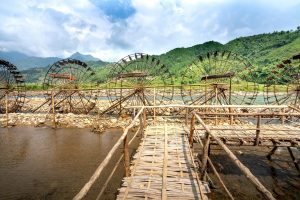
The future outlook of Mini-Hydropower
As the global demand for clean energy continues to rise, mini-hydropower is poised to play a significant role in the transition to a sustainable energy future. Advances in technology, coupled with supportive policies and incentives, are making mini-hydropower more accessible and economically viable. By harnessing the power of water, communities can reduce their reliance on fossil fuels and contribute to the fight against climate change.
In conclusion, mini-hydropower offers a promising solution to the dual challenges of energy security and environmental sustainability. While it is not without its challenges, the benefits of harnessing the power of flowing water for electricity generation are undeniable. With careful planning, investment, and collaboration, mini-hydropower has the potential to power a greener and more prosperous future for generations to come.
You may also be interested in: