Ocean plastic pollution: innovative solutions for a cleaner future
Introduction: confronting the plastic crisis in our oceans
Why plastic pollution in oceans is a global emergency
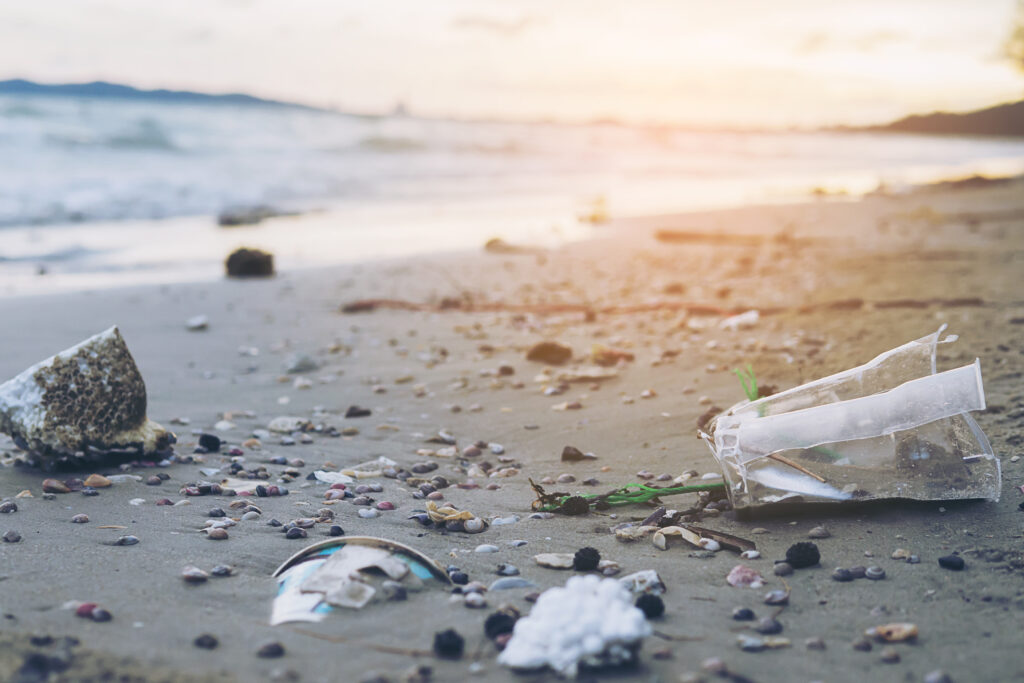
Ocean plastic pollution: innovative solutions for a cleaner future. Ocean plastic pollution has escalated into one of the most urgent and visible environmental issues of our time. Every year, an estimated 11 million metric tons of plastic waste end up in the ocean, a figure expected to nearly triple by 2040 if no action is taken. This crisis not only affects marine biodiversity but also threatens food security, public health, tourism, and even the global economy. Unlike organic waste, plastic doesn’t biodegrade easily—it breaks down into microplastics that persist for centuries. Tackling this problem requires systemic change and a commitment to innovative, scalable solutions.
The sources of plastic waste entering the marine environment
From land to sea: how plastic ends up in the ocean
Understanding how plastic reaches the ocean is the first step toward effective prevention. Approximately 80% of marine plastic originates from land-based sources. These include mismanaged urban waste, open landfills near coasts, litter from tourist areas, and plastic runoff from roads and agriculture. Rivers act as conveyor belts, carrying this waste to the ocean. Additionally, marine-based sources—like abandoned fishing gear, aquaculture equipment, and cargo ship debris—contribute to the problem. By identifying these sources, governments and organizations can implement targeted strategies to intercept plastic before it contaminates marine ecosystems.
The environmental impact of plastic on marine life
How plastic disrupts biodiversity and food webs
Plastic pollution poses a serious threat to marine species at all levels of the food chain. Sea turtles ingest plastic bags, mistaking them for jellyfish; seabirds feed plastic pellets to their chicks; and whales have been found dead with stomachs full of discarded packaging. Microplastics, which result from the degradation of larger plastic pieces, are now found in plankton, shellfish, and fish consumed by humans. Beyond physical ingestion, plastic leaches harmful chemicals like BPA and phthalates, which can interfere with reproduction and immune function in wildlife. These cascading effects threaten the stability of entire ecosystems and the services they provide to humans.
Cutting-edge technologies transforming ocean cleanup
Tools and innovations making a difference
While prevention is key, removing existing plastic from the ocean is also essential. Innovative technologies are revolutionizing how we approach cleanup. For example, The Ocean Cleanup project has developed large-scale passive systems that use ocean currents to collect floating debris. In coastal areas and rivers, smaller solutions like Interceptor boats and Seabin devices remove waste at the source. AI and satellite imaging help map high-density plastic zones, allowing more precise interventions. These tools, combined with data analytics, are making cleanup operations smarter, faster, and more effective than ever before.
Biodegradable alternatives and packaging innovations
Ocean plastic pollution: innovative solutions for a cleaner future
One of the most promising paths to reduce ocean plastic is the replacement of traditional plastics with biodegradable alternatives. Materials derived from seaweed, cornstarch, sugarcane, and even fungi are being developed as compostable packaging solutions. These break down naturally, without leaving harmful residues. In parallel, companies are redesigning products to reduce or eliminate the need for single-use packaging altogether. Think refillable containers, edible wrappers, or innovative packaging-free retail models. Circular design encourages reusability, minimizing waste generation from the start and reducing the flow of plastic into the environment.
Community-led initiatives and coastal cleanups
Empowering local actions with global impact
Communities around the world are playing a key role in combating ocean plastic pollution. Regular beach cleanups, organized by schools, NGOs, and volunteer groups, not only help remove waste but also raise public awareness. In many regions, waste pickers and local entrepreneurs are part of recycling cooperatives that give discarded plastic a second life. These community-led actions build local capacity and foster a culture of environmental stewardship. By engaging individuals, especially young people, these efforts contribute to a growing global movement against plastic pollution.
The role of policy and international agreements
Laws and regulations for a cleaner ocean
Government intervention is crucial in establishing the framework for sustainable plastic management. Policies like single-use plastic bans, deposit-return systems, and producer responsibility schemes are driving reductions in plastic use and improving recycling rates. On the global stage, the United Nations is working toward an international legally binding agreement to curb plastic pollution. Regional collaborations, such as the EU’s Plastics Strategy or ASEAN’s Action Plan, demonstrate how coordinated policy can bring systemic change. Strong regulation incentivizes innovation, ensures accountability, and sets clear goals for plastic reduction.
Corporate responsibility and business innovation
How brands are driving change
Businesses, especially those in retail and consumer goods, are beginning to transform their supply chains in response to the plastic crisis. Companies are investing in alternative materials, redesigning products for recyclability, and pledging to phase out virgin plastics. Some are incorporating ocean-recovered plastic into their products, turning waste into marketing assets while reducing demand for new plastic. Transparency is becoming a competitive advantage, as consumers increasingly support brands with authentic sustainability commitments. From fashion to tech, industries are embracing circularity as both a business opportunity and a moral obligation.
Education and awareness: changing habits and mindsets
Informing the public to reduce plastic use
Lasting change starts with education. Informing the public about the consequences of plastic pollution—and what can be done about it—is essential for shifting behaviors. Campaigns like #BeatPlasticPollution and documentaries such as “A Plastic Ocean” have brought global attention to the issue. Educational programs in schools, local workshops, and online platforms empower individuals to make informed choices, from refusing single-use items to supporting eco-conscious businesses. When people understand the problem, they are more likely to change habits and advocate for solutions.
Ocean plastic pollution: innovative solutions for a cleaner future
Innovation, cooperation, and responsibility as the path forward
Solving ocean plastic pollution is not about one single solution—it’s about collaboration and commitment at every level. Through innovation in technology and materials, stronger policies, active citizen engagement, and corporate accountability, we can drastically reduce the plastic entering our oceans. The transition to a cleaner future depends on rethinking our relationship with plastic, adopting circular models, and investing in sustainable alternatives. Together, we can create a future where the oceans thrive, free from the plastic that once threatened them.