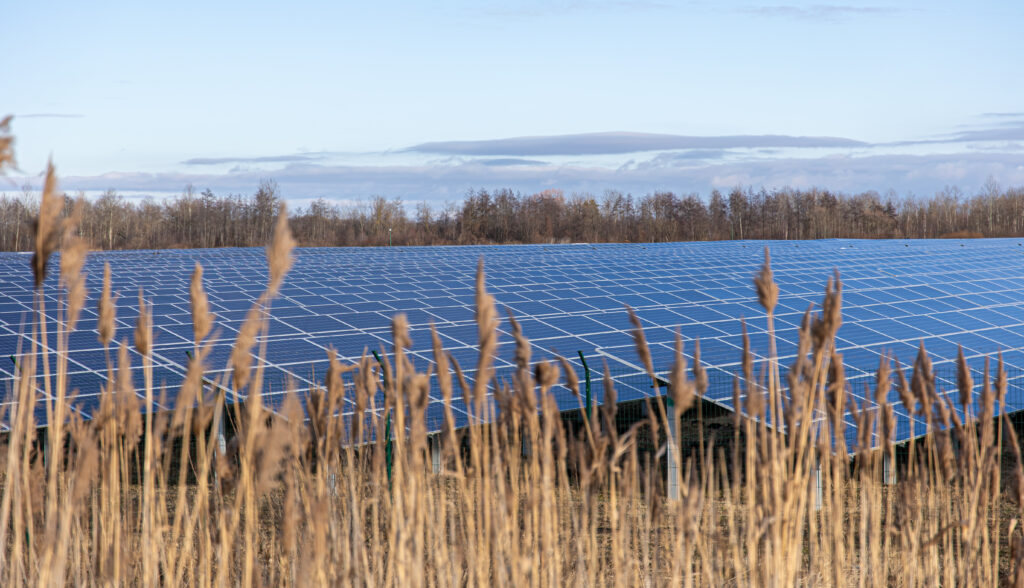
Solar Thermal Systems: Bridging the Gap Between Innovation and Application
In the realm of renewable energy, solar power stands out as one of the most promising solutions for combating climate change and transitioning towards a sustainable future. Within the broad spectrum of solar energy technologies, solar thermal systems offer a particularly compelling avenue for harnessing the sun’s energy in various applications. From heating water for residential use to generating electricity on a utility scale, solar thermal systems have the potential to bridge the gap between innovation and practical application in the quest for clean energy.
Understanding Solar Thermal Systems
At its core, solar thermal technology utilizes sunlight to generate heat. Unlike photovoltaic (PV) systems, which convert sunlight directly into electricity, solar thermal systems capture the sun’s energy to produce heat, which can then be utilized for a range of purposes. There are several types of solar thermal systems, each tailored to specific applications:
- Solar Water Heating Systems: These systems use solar collectors to absorb sunlight and heat water for residential, commercial, or industrial use. They typically consist of flat-plate or evacuated tube collectors mounted on rooftops or other sunny areas.
- Concentrated Solar Power (CSP) Systems: CSP systems concentrate sunlight using mirrors or lenses onto a small area, generating high temperatures that can produce steam to drive turbines for electricity generation. CSP technology includes various designs such as parabolic troughs, power towers, and dish/engine systems.
- Solar Thermal Cooling: This innovative application uses solar energy to power absorption chillers or desiccant systems, providing cooling for buildings and industrial processes without relying on electricity from the grid.
- Solar Industrial Process Heat: Solar energy can also be integrated into industrial processes, such as food processing, textile manufacturing, or chemical production, to provide heat for drying, sterilization, or other purposes.
Benefits of Solar Thermal Systems
Solar thermal systems offer several advantages over other forms of renewable energy:
- High Efficiency: Solar thermal systems can achieve high efficiencies in converting sunlight into usable heat, especially when combined with thermal storage systems to provide round-the-clock energy availability.
- Versatility: Solar thermal technology can be adapted to various applications, from residential heating to large-scale power generation, making it a flexible solution for different energy needs.
- Cost-effectiveness: With advancements in technology and economies of scale, the cost of solar systems has been steadily decreasing, making them increasingly competitive with conventional energy sources.
- Reduced Emissions: By harnessing the abundant and clean energy of the sun, solar systems help reduce greenhouse gas emissions and mitigate climate change impacts associated with fossil fuel combustion.
- Local Energy Production: Solar systems can be deployed at various scales, allowing for decentralized energy production and reducing dependence on centralized power grids.
Challenges and Opportunities
Despite their many benefits, solar thermal systems still face several challenges that hinder their widespread adoption:
- High Initial Costs: While the long-term operational costs of solar thermal systems are low, the upfront investment can be significant, especially for large-scale installations or innovative applications.
- Intermittency: Like all solar technologies, solar systems are dependent on sunlight and may require backup systems or energy storage solutions to ensure continuous operation, particularly during periods of low solar irradiance.
- Technology Integration: Integrating solar systems into existing infrastructure or industrial processes may require retrofitting or redesigning, which can pose technical and logistical challenges.
- Public Awareness and Policy Support: More efforts are needed to raise awareness about the benefits of solar thermal technology among consumers, businesses, and policymakers. Additionally, supportive policies such as incentives, subsidies, and favorable regulations can accelerate the deployment of solar systems.
Solar thermal technology application
Despite these challenges, there are significant opportunities to further advance solar thermal technology and expand its application:
- Research and Development: Continued research and development efforts can lead to technological breakthroughs, improving the efficiency, reliability, and affordability of solar systems.
- Innovation in Storage: Advances in thermal energy storage technologies can enhance the dispatchability and grid integration of solar thermal power plants, enabling them to provide reliable baseload or dispatchable power.
- Hybrid Systems: Integrating solar thermal technology with other renewable energy sources such as PV or wind can create hybrid systems that leverage the complementary nature of these resources, enhancing overall system reliability and performance.
- Demonstration Projects: Large-scale demonstration projects can showcase the viability and benefits of solar systems, helping to build confidence among investors, developers, and end-users.
- Policy Support: Governments and policymakers can play a crucial role in incentivizing the deployment of solar systems through supportive policies, such as feed-in tariffs, renewable energy mandates, or tax incentives.
Conclusion
Solar thermal systems represent a promising avenue for harnessing the sun’s abundant energy resources to meet a wide range of heating and power generation needs. By bridging the gap between innovation and application, these systems have the potential to play a significant role in the transition to a cleaner, more sustainable energy future. However, realizing this potential will require concerted efforts from stakeholders across the public and private sectors to overcome technical, economic, and regulatory barriers and unlock the full benefits of solar thermal technology. With continued investment in research, development, and deployment, solar thermal systems can emerge as a cornerstone of the renewable energy landscape, helping to mitigate climate change and create a more resilient and prosperous world for future generations.
You may also be interested in:
Harnessing the Wind: Advances in Wind Energy Technologie
Renewable Energy Sources: Breaking Down the Energy Market Challenges and Opportunities