Sustainable Energy for a Greener Tomorrow
In the quest for a sustainable future, the integration of sustainability into energy policies stands as a pivotal step toward achieving a greener tomorrow. As the global community grapples with the consequences of climate change, it has become imperative for nations to reevaluate and reshape their energy strategies. This blog delves into the significance of integrating sustainability into energy policies and explores the potential benefits that such a paradigm shift can bring.
The Urgency of Sustainable Energy Policies:
The escalating environmental challenges, marked by rising temperatures, extreme weather events, and resource depletion, underscore the urgency of adopting sustainable energy policies. Fossil fuel dependency, a major contributor to greenhouse gas emissions, remains a key concern. By transitioning to cleaner and renewable energy sources, countries can mitigate the environmental impact of energy production and consumption.
Economic Opportunities in Sustainable Energy:
The integration of sustainability into energy policies not only addresses environmental concerns but also unlocks economic opportunities. Investing in renewable energy technologies can stimulate job creation, foster innovation, and position nations at the forefront of the burgeoning green economy. This shift not only safeguards the planet but also contributes to the prosperity of societies by creating a sustainable foundation for economic growth.

Global Collaboration and Policy Frameworks:
Given the interconnected nature of environmental issues, addressing sustainability in energy policies requires international collaboration. Nations must work together to establish comprehensive policy frameworks that incentivize the adoption of sustainable practices. This can involve sharing technological advancements, coordinating research efforts, and creating agreements to collectively combat climate change.
Renewable Energy as the Cornerstone:
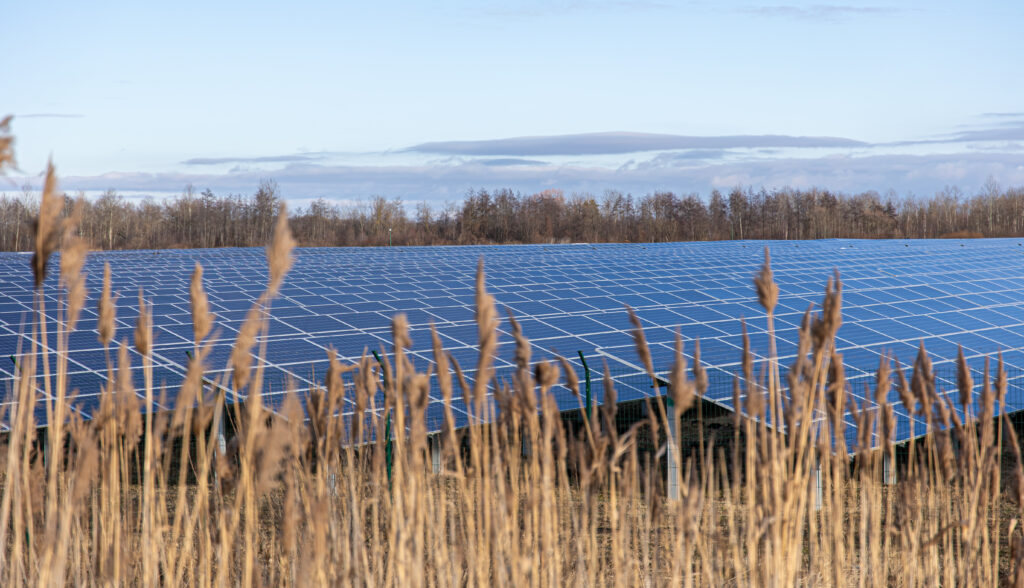
At the heart of sustainable energy policies lies the emphasis on renewable energy sources. Solar, wind, hydro, and geothermal power offer viable alternatives to traditional fossil fuels. Governments should invest in the development and implementation of these technologies, providing incentives for businesses and individuals to adopt renewable energy solutions.
Energy Efficiency Measures:
Integrating sustainability into energy policies also involves a concerted focus on energy efficiency. This encompasses advancements in building design, manufacturing processes, and transportation systems that minimize energy consumption. Governments can play a crucial role by incentivizing energy-efficient practices and fostering innovation in these sectors.
Public Awareness and Education:
A successful transition to sustainable energy policies requires public support and awareness. Governments should invest in educational initiatives to inform citizens about the benefits of sustainable energy, the environmental consequences of traditional energy sources, and the role each individual can play in promoting a greener lifestyle.
Challenges and Overcoming Barriers:
While the benefits of integrating sustainability into energy policies are substantial, challenges exist. These may include the initial cost of transitioning to renewable technologies, resistance from vested interests in traditional energy sectors, and the need for infrastructural overhauls. Governments need to address these challenges through strategic planning, phased implementation, and targeted policies that facilitate a smooth transition.
In conclusion, the integration of sustainability into energy policies is not merely an environmental necessity but a pathway to a more prosperous and resilient future. By prioritizing renewable energy, fostering global collaboration, and promoting energy efficiency, nations can collectively build a foundation for a greener tomorrow. The time for action is now, and the commitment to sustainable energy policies will shape the trajectory of our planet for generations to come.

You may also be interested in: