Urban mining: recovering resources from the city for sustainability
Urban mining: recovering resources from the city is a growing practice that focuses on extracting valuable materials from urban waste streams such as electronic devices, construction debris, and old infrastructure. This approach not only reduces the need for traditional mining but also contributes to sustainability by recycling and reusing resources that would otherwise end up in landfills. Urban mining is an integral part of the circular economy, helping cities recover valuable resources while minimizing environmental impact.
What is urban mining? A sustainable approach to resource recovery
Urban mining as a sustainable alternative to traditional mining
Urban mining refers to the extraction of valuable materials from urban waste, including metals, plastics, and rare earth elements. Unlike traditional mining, urban mining is more sustainable, reducing environmental damage and supporting the circular economy. It is essential for resource conservation in an increasingly urbanized world.
Urban mining helps cities reduce the need for raw material extraction, saving energy and resources. As urban populations grow, finding ways to sustainably recover materials is crucial for the planet’s future.
The hidden value in e-waste: urban mining’s goldmine
Extracting precious metals from electronic waste
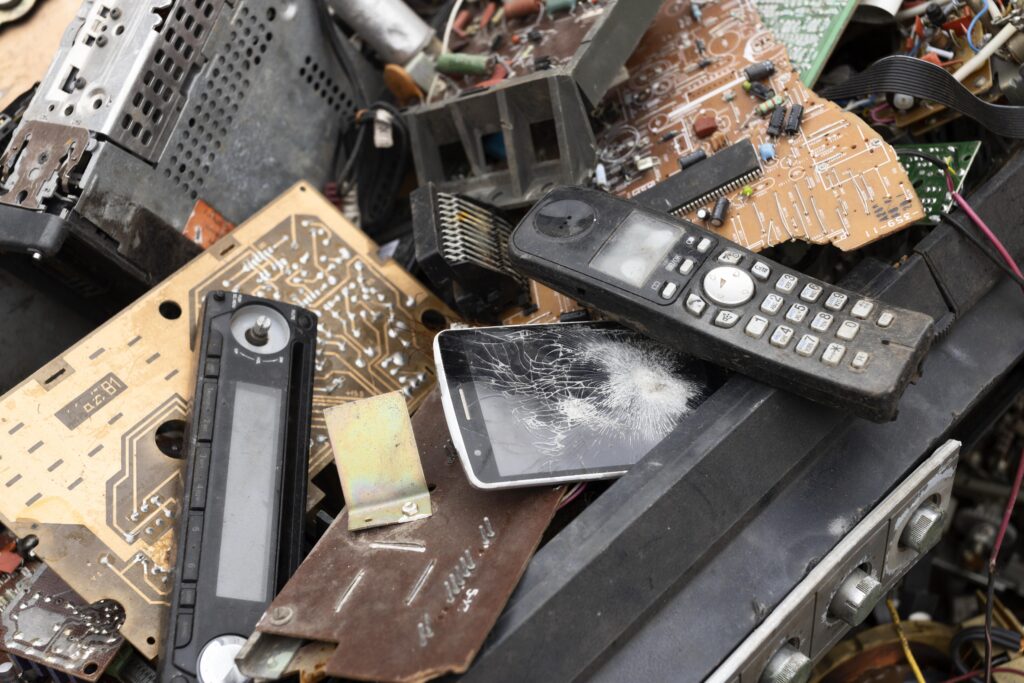
E-waste, such as old smartphones, computers, and televisions, contains valuable metals like gold, silver, and copper. Urban mining techniques enable the recovery of these precious materials, providing a sustainable solution to e-waste management and reducing the environmental impact of mining.
By recycling and reclaiming these precious metals, urban mining reduces the environmental burden of mining new materials. This also prevents hazardous materials from leaching into the environment, making e-waste recycling crucial for sustainability.
Recycling construction waste: a key aspect of urban mining
Recovering valuable materials from demolished buildings
Construction and demolition waste is a significant source of recoverable resources. Materials like steel, concrete, and wood can be repurposed through urban mining methods. Recycling these materials reduces the environmental footprint of construction activities and supports the creation of sustainable buildings and infrastructure.
Urban mining in the construction industry contributes to waste diversion and resource efficiency, making the construction sector more sustainable in the long run.
Extracting rare earth elements through urban mining
Urban mining as a solution for sourcing rare earth elements
Rare earth elements (REEs) are crucial for modern technology, including smartphones, wind turbines, and electric vehicles. Urban mining can recover these essential minerals from discarded electronics, reducing reliance on traditional mining and decreasing the environmental damage associated with rare earth mining.
The efficient recovery of rare earth elements supports the development of green technologies, contributing to a sustainable future.
Urban mining in the circular economy: closing the loop
How urban mining supports the circular economy
Urban mining plays a vital role in the circular economy by turning waste into valuable resources. Instead of sending materials to landfills, urban mining recycles and reuses them, contributing to a more sustainable system where products and resources are continually cycled back into the economy.
This process minimizes waste and reduces the need for new resources, contributing to an eco-friendly and regenerative economy.
The role of technology in urban mining
Innovations in technology driving the growth of urban mining
Advancements in technology, such as AI and robotics, are revolutionizing urban mining. With better sorting techniques and automated processes, urban mining becomes more efficient and effective at recovering valuable materials. Technology also allows for precise extraction, minimizing environmental impacts.
Technological innovations are crucial in making urban mining a viable and efficient solution for resource recovery in urban settings.
The environmental benefits of urban mining
Reducing pollution and conserving resources through urban mining
Urban mining reduces the environmental impact associated with traditional mining. By recycling and repurposing materials from urban waste, it helps lower greenhouse gas emissions, conserve natural resources, and reduce landfills. This contributes to environmental protection and sustainability.
Urban mining’s ability to recover materials from waste reduces pollution and mitigates the need for new mining operations, preserving the planet’s resources.
Economic opportunities of urban mining
Creating new jobs and economic growth through urban mining
Urban mining creates economic opportunities by turning waste into valuable resources. This practice can create jobs in recycling, resource extraction, and material repurposing. It also fosters a new economic sector focused on sustainability, encouraging innovation and growth within urban industries.
By leveraging urban waste as a resource, cities can build a green economy and create jobs that contribute to a more sustainable future.
The challenges of scaling urban mining
Overcoming obstacles to urban mining expansion
Although urban mining has many advantages, it also faces challenges such as high initial costs, the complexity of material extraction, and limited public awareness. To scale up urban mining efforts, improvements in infrastructure, technology, and policy support are needed.
Overcoming these challenges is key to realizing the full potential of urban mining and making it a viable long-term solution for sustainable resource recovery.
Future trends in urban mining
The future of resource recovery and sustainable cities
As cities continue to grow, urban mining will play a crucial role in securing resources and promoting sustainability. Emerging trends such as advanced recycling technologies, increased e-waste collection programs, and urban mining partnerships are expected to make resource recovery more efficient and impactful in the future.
The continued evolution of urban mining will make cities more sustainable, contributing to a closed-loop system where resources are constantly recycled and reused.