Waste hierarchy: prioritizing prevention over disposal for a sustainable future
Waste Hierarchy: Redefining Sustainable Waste Management. The waste hierarchy is a key principle in sustainable waste management, focusing on reducing, reusing, and recycling to minimize environmental harm. This structured framework guides us toward efficient resource use and a circular economy. Explore ten insightful topics that explain how the waste hierarchy helps in creating a more sustainable future.
What is the waste hierarchy? understanding its purpose
A sustainable roadmap for managing waste effectively
The waste hierarchy ranks waste management methods by their environmental impact, emphasizing prevention, reuse, recycling, recovery, and disposal. It promotes eco-friendly practices and reduces reliance on landfills. By implementing this model, businesses and communities can transition toward a circular economy, prioritizing sustainability.
Waste prevention: tackling the root cause
Reducing waste at the source for a sustainable future
At the top of the waste hierarchy, prevention focuses on minimizing waste generation through smarter product designs, minimal packaging, and conscious consumption. This proactive approach reduces pollution, preserves natural resources, and addresses environmental challenges at their root cause.
Reuse: extending product lifecycles
Innovative strategies to repurpose and repair waste
Reuse keeps materials in circulation longer, reducing the need for new resources. Popular initiatives include repair workshops, second-hand sales, and creative upcycling projects. Reuse not only conserves energy but also fosters sustainability through community-driven solutions.
Recycling: turning waste into resources
Efficient recycling methods for sustainable waste management
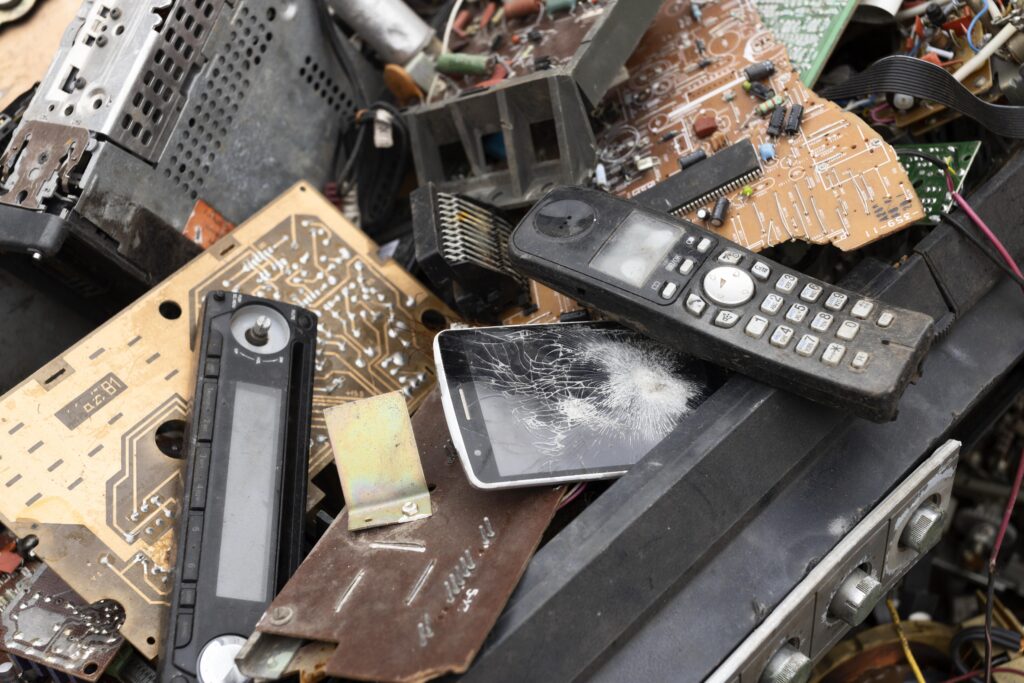
Recycling involves converting waste materials into new products, reducing landfill waste and conserving raw materials. Advanced recycling technologies and widespread public participation are critical. Recycling aligns with the waste hierarchy’s goals by maximizing resource efficiency and minimizing ecological impact.
Recovery: generating energy from waste
Transforming non-recyclable waste into valuable energy
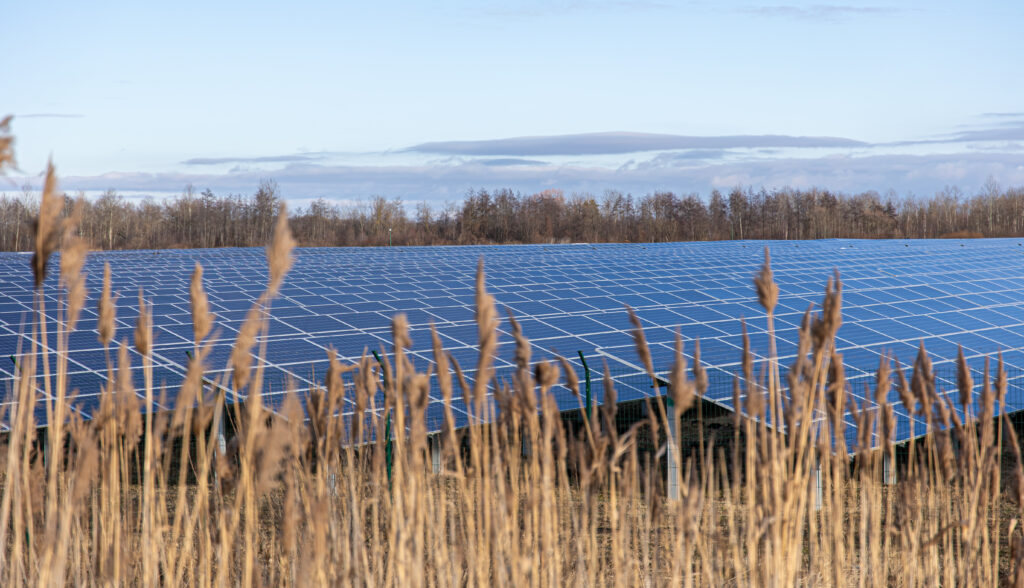
Recovery processes like incineration with energy generation or anaerobic digestion produce usable energy from waste that cannot be recycled. Though less sustainable than prevention or recycling, recovery reduces landfill dependency and contributes to energy diversification.
Disposal: the last option in waste management
Minimizing landfill use through advanced disposal techniques
Disposal ranks lowest in the waste hierarchy and should only be used when other options are unavailable. Modern landfill management includes methane capture and environmental containment, mitigating its ecological impact. However, reducing waste sent to landfills remains a critical goal.
Legislation and the waste hierarchy
Regulations driving sustainable waste practices worldwide
Governments play a key role in implementing the waste hierarchy through policies like recycling mandates, landfill taxes, and waste reduction goals. These regulations encourage industries and communities to prioritize sustainable waste management practices, fostering global adherence to the hierarchy.
Circular economy and waste hierarchy synergy
Combining strategies to reduce waste and enhance sustainability
The circular economy complements the waste hierarchy by focusing on keeping materials in use for as long as possible. Together, they create a sustainable system where waste is minimized, and resources are continuously repurposed, supporting environmental resilience.
Community involvement in the waste hierarchy
Driving change through collective local actions
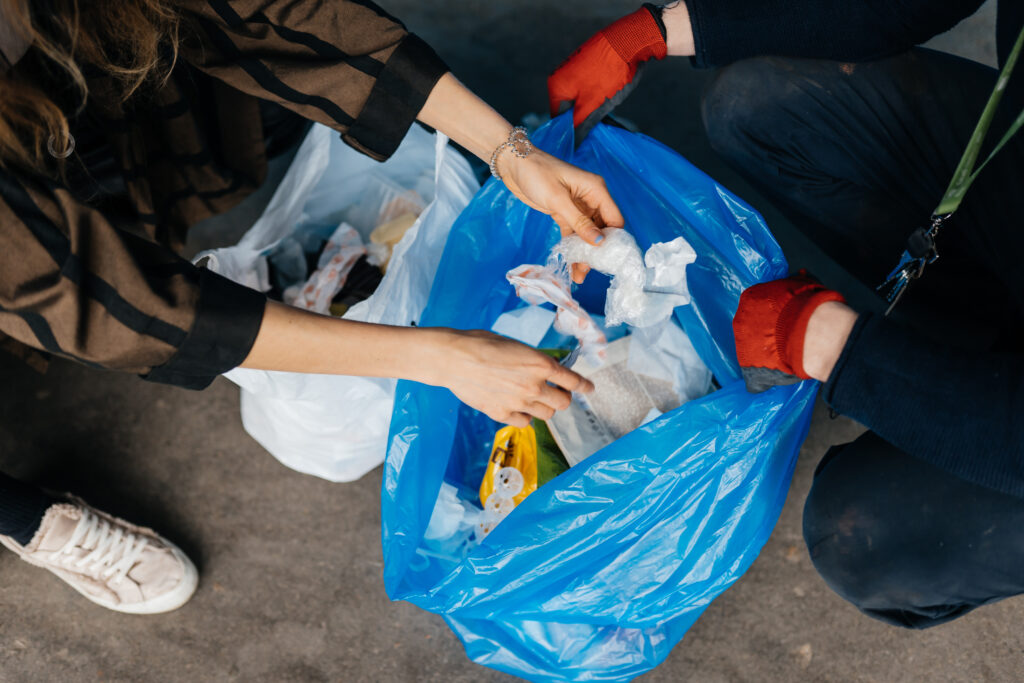
Engaging communities in waste reduction efforts ensures the success of the hierarchy. Programs like local recycling drives, waste education workshops, and repair cafes empower individuals to adopt eco-friendly habits. Community participation is essential for creating lasting environmental impact.
Technology’s role in optimizing the waste hierarchy
Innovative tools advancing sustainable waste management
Emerging technologies like AI-driven sorting systems, biodegradable materials, and waste-to-energy solutions improve the efficiency of waste hierarchy implementation. By integrating innovation, sustainable practices become more effective and scalable, driving progress toward a zero-waste future.
Conclusion: Waste hierarchy, redefining sustainable waste management
Waste Hierarchy: Redefining Sustainable Waste Management is a foundational framework for sustainable resource management. By prioritizing prevention, reuse, and recycling, it enables communities and industries to minimize their environmental footprint. Collaborative efforts across all sectors are essential for transforming waste management into a sustainable, eco-friendly practice.