The growing need for wind turbine recycling
Addressing the future of renewable energy waste
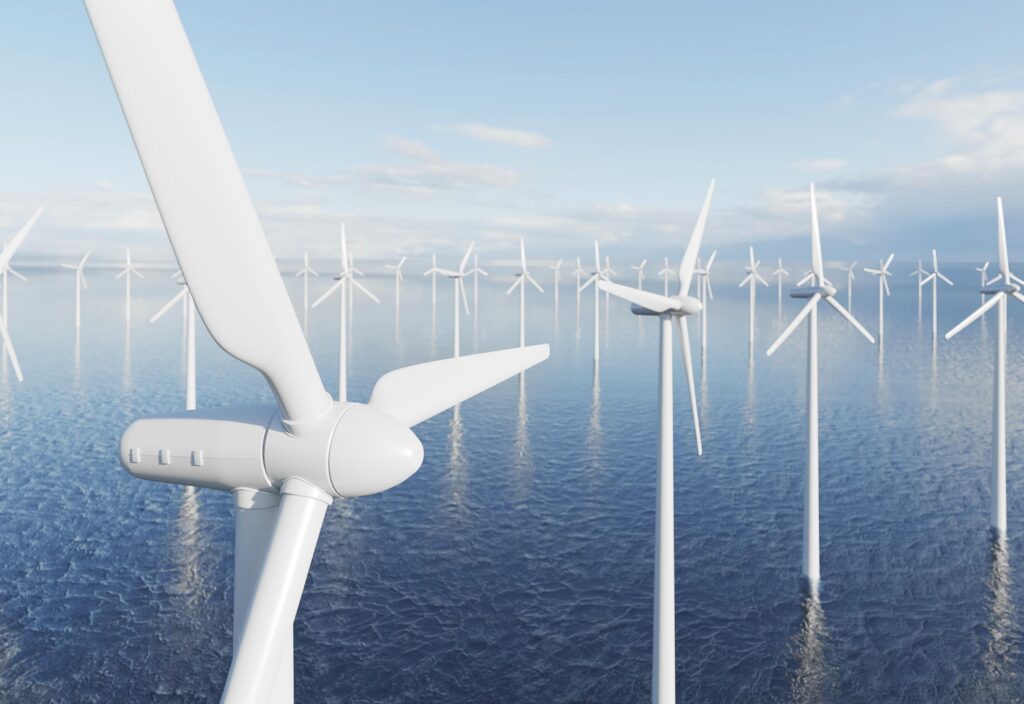
Wind turbine recycling: towards a circular energy sector. As the renewable energy sector grows, wind energy is becoming a key player in reducing global carbon emissions. Wind turbines, which typically have a lifespan of 20 to 30 years, will eventually reach their end of life and need to be replaced. With the increasing number of wind farms worldwide, the amount of decommissioned turbines is also rising. The need for wind turbine recycling becomes essential to ensure that the large quantities of materials used in these turbines do not end up in landfills. This recycling process not only minimizes environmental impact but also creates opportunities to recover valuable materials for reuse in manufacturing new turbines or other products, promoting a more circular sector.
Environmental impact of wind turbine waste
The challenge of non-recyclable materials
Wind turbines, especially their large fiberglass blades, pose a significant environmental challenge when they reach the end of their useful life. These blades are made primarily from composite materials, such as fiberglass and carbon fiber, which are extremely difficult to recycle. While metal parts, like the tower and nacelle, can be reused or recycled efficiently, the blades often end up in landfills due to the complexity of recycling them. These materials are not biodegradable, raising concerns about waste accumulation. The environmental impact of wind turbine waste highlights the need for innovations in recycling technologies to prevent these large, non-recyclable components from contributing to the growing problem of e-waste and industrial waste.
Wind turbine recycling: towards a circular energy sector
Overcoming technological and cost barriers
Recycling wind turbines, particularly the blades, presents numerous challenges. While other parts of the turbines, such as the metals, can be easily melted down and reused, the blades are made from complex composite materials that require specialized techniques for effective recycling. Current methods involve grinding the blades into small pieces to use them in construction materials or as fillers in the cement industry. However, this is far from a perfect solution. The complexity of wind turbine materials and the high cost of recycling technologies make it challenging to implement large-scale recycling programs. Additionally, there is a lack of global standards for wind turbine decommissioning and recycling, further complicating the process.
Wind turbine recycling: towards a circular energy sector
Paving the way for efficient solutions
In recent years, researchers and engineers have been working tirelessly to develop new technologies that could revolutionize the recycling process for wind turbine blades. One promising method involves using high-heat techniques, such as pyrolysis, to break down the composite materials into their basic components, which can then be reused in the production of new materials. Other innovative approaches include chemical recycling, which breaks down composite materials using solvents, and mechanical recycling, which aims to preserve the integrity of the blade material for reuse in other applications. These technologies are still in development but hold great promise for creating more efficient and sustainable recycling practices for wind turbines.
Recycling wind turbine blades for repurposing in new industries
Turning waste into resources
One of the most exciting prospects in wind turbine recycling is the potential to repurpose turbine blades in other industries. For example, after recycling, the material can be used to manufacture products like construction panels, benches, or even playground equipment. Some companies are already experimenting with using the blades in the creation of furniture, or in the automotive industry as structural components. Not only does this practice give the materials a second life, but it also supports the circular economy by reducing the need for raw materials. As these technologies evolve, we can expect to see an increase in creative ways to reuse turbine materials, contributing to the development of a truly sustainable and circular economy.
Economic benefits of wind turbine recycling
Driving growth and reducing costs
The economic advantages of recycling wind turbines are substantial. Firstly, recycling reduces disposal costs, which can be significant, especially for large, bulky turbine blades. By recycling valuable materials such as metals and rare earth elements, the industry can reduce reliance on virgin resources, which are often expensive and environmentally damaging to extract. Additionally, the demand for recycled materials opens up new markets and industries, creating job opportunities and stimulating local economies. The wind turbine recycling industry, therefore, not only contributes to environmental sustainability but also supports economic growth, making it a win-win scenario for both the planet and the economy.
The role of legislation and policy in wind turbine recycling
Creating a framework for sustainability
Governments and policymakers play a crucial role in driving wind turbine recycling efforts. With the rise in wind energy projects, regulations surrounding the decommissioning and recycling of turbines are becoming increasingly important. In some countries, legislation mandates that wind turbine manufacturers take responsibility for the end-of-life disposal of their products. This has led to the creation of take-back programs and initiatives aimed at improving recycling rates. Stronger policies are needed to create a framework that incentivizes innovation in recycling technologies and ensures that all industry players adhere to sustainable practices. These policies will play a pivotal role in scaling up recycling efforts and ensuring that the wind energy sector is truly sustainable.
Collaboration between industry players for effective recycling
Uniting for a circular economy
Effective wind turbine recycling requires collaboration across various sectors, including turbine manufacturers, recycling companies, environmental organizations, and government agencies. By working together, these stakeholders can share best practices, resources, and technologies to improve the recycling process. Industry partnerships can also help fund research into new recycling technologies and establish industry-wide standards for turbine disposal. As the sector grows, so too must the collaboration between different players, ensuring that recycling becomes an integral part of the wind energy lifecycle. By fostering a cooperative approach, the wind energy sector can ensure that it is not only contributing to renewable energy production but also leading the way in sustainability.
Wind turbine recycling: towards a circular energy sector
Opportunities and innovations on the horizon
The future of wind turbine recycling looks promising, thanks to ongoing advancements in technology and a growing commitment to sustainability within the industry. Innovations in material science, such as the development of recyclable composites, are paving the way for more efficient recycling processes. Additionally, new techniques for blade decommissioning and recycling are emerging, offering more cost-effective solutions. The integration of smart technologies, such as sensors and automation, can further streamline the recycling process. As these innovations continue to evolve, the future of wind turbine recycling will play a crucial role in ensuring that the wind energy sector remains sustainable and contributes to a circular economy.
Towards a fully circular renewable energy sector
Closing the loop for wind energy
The ultimate goal of wind turbine recycling is to contribute to a fully circular renewable energy sector. A circular economy is one where resources are reused, remanufactured, and recycled continuously, reducing waste and minimizing the reliance on non-renewable materials. Wind turbines, as a crucial component of the renewable energy transition, must play an integral part in this model. As recycling technologies improve and industry standards are implemented, the wind energy sector will move closer to creating a truly closed-loop system. This will not only enhance sustainability but also ensure that the benefits of renewable energy are maximized in both environmental and economic terms.