What is Aeronautical Engineer ?
Aeronautical engineer is a branch of engineering that studies the design and construction of aircraft and spacecraft and the equipment they require. It covers the fields of aeronautical engineering, related to the design of systems that fly in the atmosphere and space engineering. Besides the understanding the deals and designs of the propulsion vehicles and devices that will be placed in outer space.
There are two main areas within this Engineering: Aeronautics and Space Astronautics.
Aeronautics
Aeronautics is responsible for the design, maintenance and overhaul of all types of aircraft: commercial, passenger and military aircraft, helicopters, seaplanes, etc. Its engineers are also in charge of inspecting materials and controlling quality during the design process, as well as maintenance.
Space Astronautics
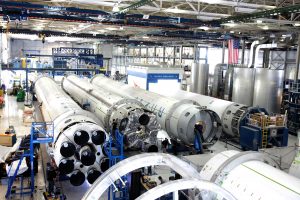
Aerospace Engineering is in charge of the design of propulsion vehicles and devices that are operated in space such as, shuttles, rockets or satellites.
Functions of an Aeronautical Engineer
Graduates in this engineering acquire capabilities to:
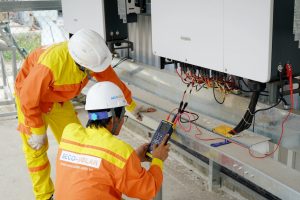
- Design, manufacture, operate and maintain, within the scope of their respective aeronautical engineering specialty and in accordance with the knowledge acquired. In addition to aerospace vehicles, aerospace propulsion systems and engines. As well as, aerospace materials, airport infrastructures, aeronautical infrastructures, any air transport and air traffic management system.
- To carry out activities of projection, technical direction, expertise, certification, drafting of reports, opinions, and technical advice in tasks related to Aeronautical Technical Engineering. In addition to exercises of genuinely aerospace functions and technical positions.
- Analyze and assess the social and environmental impact of technical solutions.
Innovations in Aeronautical Engineering
Over the past decade, the aerospace industry has undergone a major transformation. Therefore, it has witnessed countless disruptive innovations that have materialized and laid the foundation for future developments that are already on the horizon.
The implementation of multi-sector technologies such as 5G, advanced satellite systems, 3D printing, Big Data and quantum technology, etc. There are all innovations that have made it possible to update and scale the activity of operations in air and space.
Innovation in aeronautics includes developments for activity in the atmosphere and outer space. Aerospace engineering consists of aeronautics and astronautics, where aerospace organizations research, design, manufacture, operate or maintain aircraft and spacecraft.
We must keep in mind that many of the developments in this sector have been pioneers for application in other branches and that many of them are used to improve business processes and everyday life. Por example, weather forecasting, GPS or satellite television depend fundamentally on space infrastructure.
On the other hand, trends in space technology (SpaceTech) are gaining ground. Coupling the increase in private investment in this industry with new companies focused on this sector that are developing new technologies, which facilitate movement, operations and communications between earth and space.
Investment in Aeronautical Engineer innovation
The return on investment in aeronautical innovation accounts for 45% of company profits globally, according to a report prepared by the Official College of Aeronautical Engineers of Spain (COIAE). This report shows how the aeronautical sector has a dynamic and driving force character . As well as, an intense activity that is maintained regardless of economic cycles and market trends, and that contributes to meeting the needs demanded by society.
Investment in innovation is remarkably efficient within the aeronautical sector, as the return on investment associated with products introduced during the last 5 years reaches 45% of the companies’ total profits. This leads the industry to establish a high demand for new and innovative products that can meet key challenges demanded by society such as: less aircraft weight and noise, more fuel efficiency, better comfort and quality of service, etc.
The aeronautics association assures that the sector does not evolve in isolation from society; and that its size, shape and success are determined by the degree to which the sector is able to respond to the needs of society as a whole. In addition, digitalization continues its massive implementation, whether in production processes, design or individualized attention in airports and other airport infrastructures. The customer is the center of all business activity, and new models of mobility as a service are appearing around him, including air micro-mobility promoted by electrification.
The future of Aeronautical Engineer
The aerospace sector has traditionally been considered one of the major instigators of technological change. In disciplines such as engineering, electronics, communication, as well as the use of new materials such as metals and plastic composites. As well as the development of more efficient and sustainable energy systems.
This industry also has a great influence on the innovation of manufacturing processes. It functions as a test bed for broader developments within automation, assembly and inspection. Aircraft manufacturing is an example of the complexity of systems and assemblies that, when solved, have implications for many other sectors.
Experts predict that the future also promises to «go further than ever before», with a major trend towards expansion into lunar and martian environments in the coming decades, which will foster new space logistics, and new services linked to it.
Important innovations:
The study detects and analyzes the most important innovations and their evolution in four categories:
- Aircraft and space vehicles
- Propulsion and aerospace fuels
- Materials and processes
- Air navigation, airports and air transportation
Additionally, it also provides a strategic framework for innovation at the European level. From regulations to programs and policies, as well as a discussion of the main current trends in the industry. Thus showing the major challenges that concentrate the greatest efforts, such as sustainability, connectivity and economic and social development.
Undoubtedly, innovation in the aerospace industry is accelerating its pace. It is improving the way aviation operates in all areas to meet new government, market and consumer needs. It is on the doorstep of discovering new ways to conquer space, to travel better and to expand our horizons into technologies we do not yet know about. In brief, the Aeronautical Engineer faces a future with great challenges and opportunities.
If you know how to perform the functions of an Aeronautical engineer and would like to work in a company where you can perform them. Send us your resume through our contact page on our website to start looking for a company for you.
You might also be interested in: